Nikko Day Trip
Five and a half hours of the day are spent on a bus. Whether that is worth it depends on one question nobody asks first: are you going for the shrine, or for the mountains behind it?
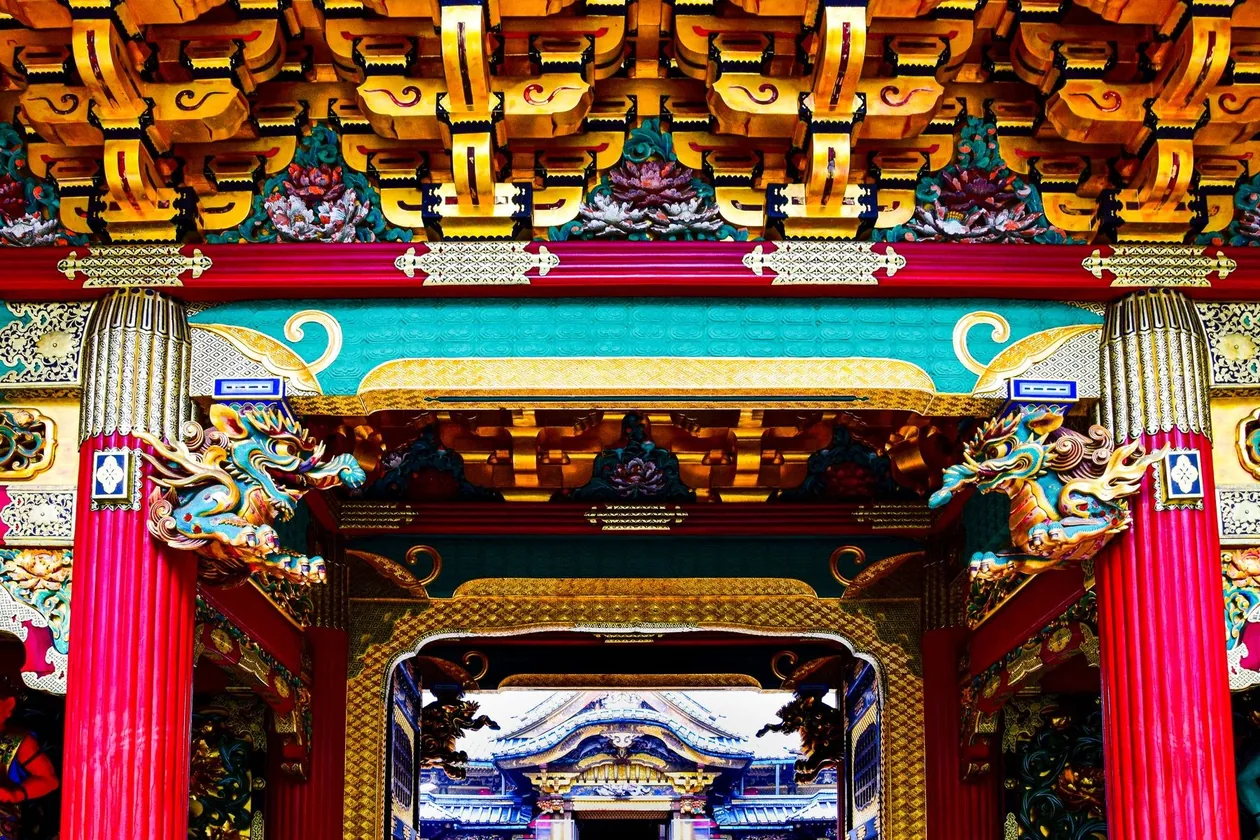
Toshogu is a shrine covered in gold leaf and carved animals, built for a shogun and set in a cedar forest, and it is worth the journey. The journey is the part to be honest about. On the best-rated tour you spend two and a half hours on a coach getting there and over three getting back, out of a day that runs ten and a half.
That is more than half the day seated, which is fine if you know it going in and grim if you do not.
In 3 minutes:
- Toshogu costs ¥1,600 for the shrine, ¥2,400 with the museum, open 9:00 to 17:00 with no closing days.
- The guided day tour is about €69. Doing it yourself with the All Area Pass and admission comes to roughly €52.
- On that tour the shrine ticket is an optional extra. Book the wrong option and you wait outside.
Is Nikko worth a day trip from Tokyo?
It depends entirely on what you are going for, and the two answers point in different directions.
If you want Toshogu, yes. There is nothing like it near Tokyo: a mausoleum complex of more than a dozen buildings, the Yomeimon gate, the five-storey pagoda, the carved monkeys, and a five-minute climb to the tomb of Tokugawa Ieyasu. Two hours there does not feel wasted.
If you want mountains and water, think again. Kegon Falls and Lake Chuzenji are lovely and they are also the reason the day stretches to ten and a half hours, since they sit up a switchback road beyond the town. Hakone gives you a similar landscape at half the travel time.
How much does a Nikko day trip cost?
Here the numbers do something unusual. Nikko is the day trip where the tour is close to fair value, which is the opposite of what happens at Kamakura.
Going independently, the cheap rail pass does not do what you want. The Nikko World Heritage Area Pass is ¥3,000 for two days and covers the Asakusa round trip plus transit in the town centre, which is enough for Toshogu and nothing else. Reaching Kegon Falls and Lake Chuzenji means the Nikko All Area Pass at ¥8,000, because those buses run into Okunikko. Add ¥1,600 at the shrine and you are at ¥9,600, near enough €52. The limited express is extra again at ¥1,450 to ¥2,140 each way.
The guided tour is €69 with the transport, a bilingual guide and the option to include admission. For seventeen euros over the independent price, somebody else works out the mountain bus timetable.
Where to book
Our take: Take the tour if you want Toshogu and the mountains in one day, because independently that costs €52 and a timetable; take the ¥3,000 World Heritage pass instead if the shrine alone is enough for you.
Do Nikko tours include entry to Toshogu Shrine?
Read this bit before you book, because it is the single most expensive mistake on this trip.
On the most popular tour the Toshogu admission is an option, not an inclusion. The listing says it plainly if you look: travellers who select the ticket-inclusive version get full access to the gates and shrine buildings, and those who do not "have free time to explore the surrounding area independently". That is a polite way of saying you will spend your two and a half hours outside the thing you came four hours to see.
The second trap is seasonal. In January and February the visit to Kegon Falls and Lake Chuzenji is replaced by a panoramic view of Rinnoji and Futarasan, because of snow. You still pay for a ten-hour day; you just do not get the waterfall.
A smaller one: the Shinkyo Bridge appears on the itinerary as a stop and is listed as a scenic drive. You see the famous red bridge through the coach window.
What the day actually looks like
Departure is early, around 07:00 from Ginza, and the coach takes two and a half hours. Toshogu gets two and a half hours, which the review summary says repeatedly is the stop people would extend. Then thirty minutes to Kegon Falls with seventy minutes there including lunch, twenty minutes on to Lake Chuzenji for twenty-five minutes by the water, and a three-hour run home.
Kegon Falls drops close to a hundred metres and you view it from an observation deck. Lake Chuzenji sits at the foot of Mount Nantai and twenty-five minutes is exactly enough to look at it and get back on the bus.
What most visitors get wrong
They treat Nikko as interchangeable with the other day trips. It is not. Kamakura is an hour away and improvised easily; Hakone is a loop you control with a pass. Nikko is the one that takes a real bite out of your trip, and it earns that with a single monument instead of a spread of things.
They underestimate what the shrine is, too. Toshogu is not a quiet Zen box; it is the most decorated religious site in Japan, built to make a case for a dynasty, and the carving work rewards standing still in front of one gate for ten minutes more than it rewards walking the whole complex twice. Two and a half hours is enough only if you spend it that way.
They also book the base tour option to save fifteen euros and then discover what it does not include while standing at the gate.
And they go in January or February expecting the postcard. Winter Nikko is beautiful and the two mountain stops are off, so if the falls are why you are going, go between spring and autumn.
- Getting there
- About 2 hours each way from Tokyo. Tobu line from Asakusa; the passes do not cover the direct Shinjuku trains
- Toshogu Shrine
- ¥1,600 shrine · ¥1,000 museum · ¥2,400 both · 9:00–17:00, until 16:00 November to March, last entry 30 min before · no closing days
- Rail passes
- Nikko World Heritage Area Pass ¥3,000 (2 days, town only) · Nikko All Area Pass ¥8,000 (4 days, includes Okunikko buses) · limited express ¥1,450–2,140 extra each way
- Guided tour
- From €69, 10.5 hours, Toshogu admission as a paid option
- Winter note
- January and February: Kegon Falls and Lake Chuzenji are replaced by a panoramic stop at Rinnoji and Futarasan
- Not suitable for
- Wheelchair users, on the guided tour
Fares, admissions and seasonal itineraries change. Confirm before you book.
Last verified: July 2026
Frequently asked questions
Is Nikko worth a day trip from Tokyo?
Yes, if the Toshogu shrine is what you want. It is roughly two hours each way, and the guided tours spend about five and a half hours of a ten-and-a-half-hour day on the coach. Toshogu justifies that for most people. If you are mainly after mountains and water, Hakone is closer and cheaper.
How much does a Nikko day trip cost?
The best-rated guided tour runs about €69 including transport and a guide. Doing the same independently needs the Nikko All Area Pass at ¥8,000 plus ¥1,600 for Toshogu, which comes to roughly €52. If you skip the mountains and only visit the shrine, the World Heritage Area Pass at ¥3,000 plus admission brings it down to about €25.
How much is Toshogu Shrine in Nikko?
¥1,600 for the shrine, ¥1,000 for the museum alone, or ¥2,400 for both. It opens 9:00 to 17:00, or until 16:00 from November to March, with admission ending 30 minutes before closing, and it has no closing days.
Do Nikko tours include entry to Toshogu Shrine?
Not always. On the most popular tour the shrine ticket is a paid option, and travellers who book the base version get free time outside the gates instead of going in. Check which option you are selecting before you pay, because it is the difference between seeing the Yomeimon gate and seeing the car park.
Nikko or Kamakura for a day trip?
Kamakura if you want an easy day and can leave late; it is an hour each way and nothing needs booking. Nikko if you want one great monument and do not mind four hours of travel. Nikko in January and February also loses its two nature stops to snow, which tips the choice further towards Kamakura in winter.
Nikko is the longest of the four day trips from Tokyo, and the one with the most to show for it. Book the option with the ticket in it. Everything else about this day is a matter of taste; that one is a matter of whether you get in.
- Best Day Trips from Tokyo: 4 Routes and How to Choose (2026)
- Kamakura Day Trip from Tokyo: The Great Buddha and the Enoden (2026)
- Hakone Day Trip from Tokyo: The Free Pass, the Art, and the Loop (2026)
- Mount Fuji Day Trip from Tokyo: Where to Actually See It (2026)