Hakone Day Trip
The Free Pass costs ¥7,100 and the bus tours cost about the same. The difference is that the tours skip the Open-Air Museum, which is the reason an art person comes here at all.
Hakone is sold to you as a hot spring town with a view of Fuji. That is true and it is not why an art person should go. The Open-Air Museum sits in the middle of the loop with around 120 sculptures on a hillside and two floors of Picasso in a pavilion, and almost every bus tour from Tokyo drives straight past it.
That single fact should decide how you do this day.
In 3 minutes:
- The Hakone Free Pass is ¥7,100 for two days from Shinjuku and covers the round trip plus eight transport systems inside Hakone.
- The bus tours from Tokyo cost about the same and skip the Open-Air Museum entirely.
- The museum is ¥2,000, or ¥1,900 with the pass, open 9:00 to 17:00 with no closing days.
Is the Hakone Free Pass worth it?
For the standard loop, the arithmetic works. The pass is ¥7,100 for two days from Shinjuku, or ¥6,000 if you start from Odawara, and it covers the Odakyu line out and back plus the Tozan train, the cable car, the ropeway, the Lake Ashi cruise and the local buses. Buying those legs one at a time gets you close to the same number before you have paid for anything else.
Two things it does not cover. The Romancecar limited express needs a separate ¥1,200 each way, which buys you a reserved seat and about fifteen minutes. And admission to anything is extra, though the pass takes ¥100 off the Open-Air Museum and gives discounts at over 70 other places.
Buy it wherever suits you, because the price is identical. GetYourGuide sells the same pass through an official partner at €38, which is what ¥7,100 comes to, and you exchange the voucher at the Odakyu Sightseeing Service Center at Shinjuku West before you board.
Where to book
Our take: Book ahead on GetYourGuide if you want it settled before you fly, but buy at the Odakyu counter instead if your dates are loose, because the platform version is non-refundable and Hakone weather closes the ropeway often enough to matter.
Do Hakone bus tours include the Open-Air Museum?
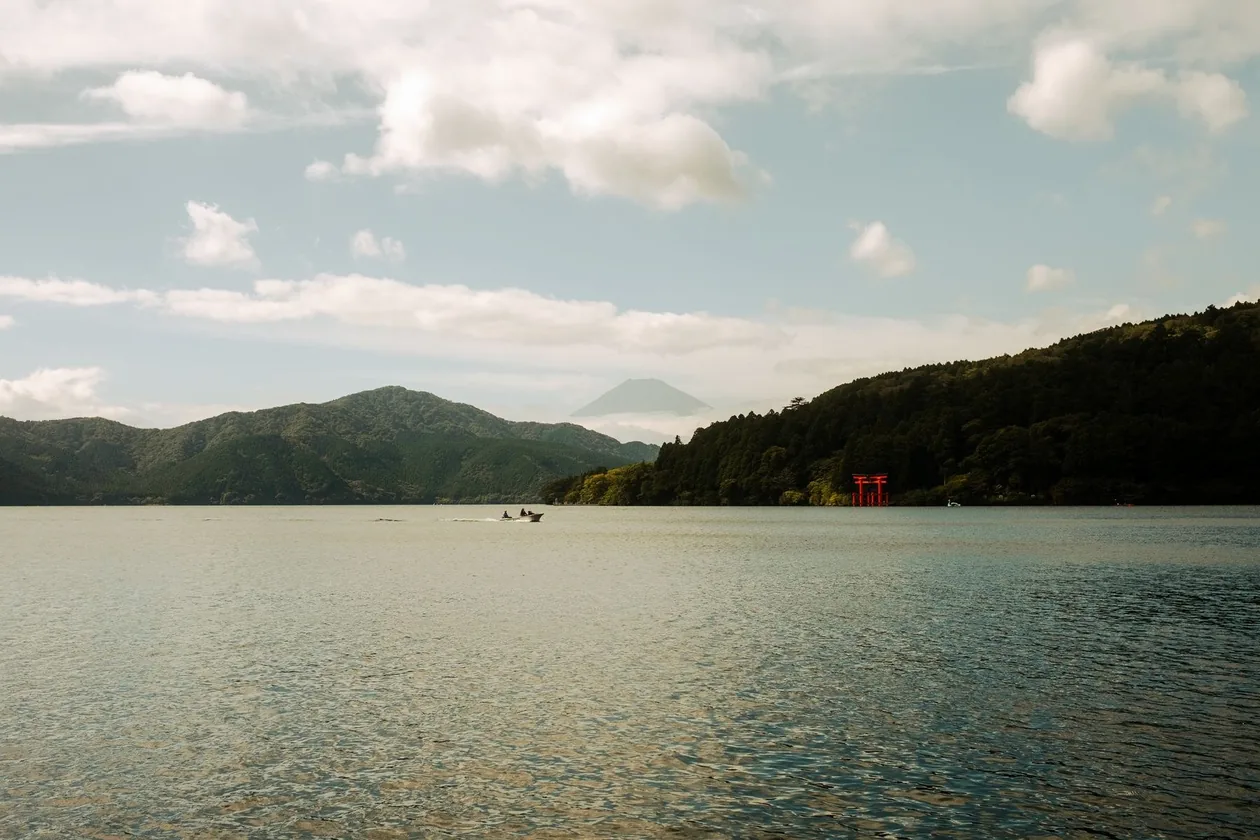
Look at what the popular day tours from Tokyo actually visit. The best-selling one runs Hakone Shrine and the lakeside torii gate, the ropeway, Owakudani, and then leaves the area entirely for Lake Yamanaka and Oshino Hakkai on the Fuji side. It is a good day out at around €45 and there is no museum in it.
That is a reasonable trade if you want a driver, a guide and a Fuji viewpoint thrown in. It is the wrong booking if the sculpture park is the point, and nothing in the listing tells you that.
There is also a rail package on the booking platforms at around €86 that bundles the Free Pass with reserved express seats from Tokyo Station. Skip it. It sits at 2.5 stars on three reviews, the tickets are posted to your hotel and cannot be sent to an Airbnb or a private address, the booking is voided without refund if you do not supply hotel details, and the return train is fixed ten days out with no changes.
How should you run the Hakone loop?
Go counter-clockwise. Tozan train from Hakone-Yumoto up to Gora through the switchbacks, cable car to Sounzan, ropeway over Owakudani, cruise across Lake Ashi, bus back down. Running it in this direction puts the ropeway in your morning, when Fuji is likelier to be clear and the queues are shorter.
The Open-Air Museum sits on the Tozan line at Chokoku-no-Mori, one stop before Gora, which is why it is easy to build in and easy to miss. Budget one to three hours. Beyond the sculptures there is Gabriel Loire's stained-glass tower, which you climb from inside, and a hot spring foot bath in the trees for the point in the day when your legs have had enough.
Owakudani is the volcanic valley where they boil eggs black in the sulphur springs. It is also the reason the route carries a warning for anyone with respiratory problems.
Can you use an onsen on a day trip?
Yes, and this is where the pass earns its keep a second time. Hakone is a hot spring town first and a sightseeing loop second, and many of its ryokan open their baths to visitors who are not staying the night. The Free Pass carries discounts at around 70 facilities, hot springs among them, so it is worth checking what your pass covers before you pay a walk-in rate.
Fit it to the end of the day, not the middle. Hakone-Yumoto is the last stop before the train back to Shinjuku, which makes it the natural place to soak once the loop is done and the ropeway queues no longer matter. If you only have the appetite for a token version, the Open-Air Museum's foot bath sits among the trees and costs you nothing beyond the admission you have already paid.
One practical warning that catches people out: many baths still refuse entry to visitors with tattoos, and the policy varies by property. Check the individual place instead of assuming, and look for the ones that advertise themselves as tattoo-friendly.
What most visitors get wrong
They plan Hakone around Fuji. The mountain shows up from the ropeway and across the lake when the weather allows, which makes it a bonus and not a plan. If seeing Fuji is the actual goal, the Fuji day trip covers where to go instead and what your odds are by month.
They also underestimate the weather. The ropeway and the cruise both suspend in wind and rain, which happens often enough that reviewers mention arriving to find both closed. The pass covers you for this in one narrow way: you can claim a refund for the leg you could not board at the Odakyu Sightseeing Service Center, but only for that leg.
And they treat it as a half day. Ninety minutes each way from Shinjuku, plus a loop with five transfers, plus a museum, is a full day with an early start. Trying to add central Tokyo in the evening is how people end up seeing the loop through a train window.
- Getting there
- Shinjuku to Hakone-Yumoto, about 90 minutes on the Odakyu line, or 75 by Romancecar (+¥1,200 each way)
- Free Pass
- ¥7,100 for 2 days from Shinjuku, ¥6,000 from Odawara, ¥7,500 for 3 days
- Covers
- Odakyu line, Tozan train, cable car, ropeway, Lake Ashi cruise and designated buses, plus discounts at 70+ facilities
- Open-Air Museum
- ¥2,000 adult, ¥1,900 with the pass, ¥1,800 online · 9:00–17:00, last entry 16:30, no closing days
- Loop order
- Tozan train, cable car, ropeway, cruise, bus back — counter-clockwise
- Weather
- Ropeway and cruise suspend in wind or rain; partial refunds at the Odakyu Sightseeing Service Center
Fares and museum prices change, and transport suspensions are decided on the day. Confirm before you travel.
Last verified: July 2026
Frequently asked questions
Is the Hakone Free Pass worth it for one day?
For the standard loop, yes. The 2-day pass is ¥7,100 from Shinjuku and covers the round trip plus eight transport systems inside Hakone. Paying each leg separately on the Tozan train, cable car, ropeway and cruise gets you close to that figure before you have gone anywhere else, and the pass adds discounts at over 70 facilities.
Can you do Hakone as a day trip from Tokyo?
Yes. Shinjuku to Hakone-Yumoto runs about 90 minutes on the Odakyu line, or roughly 75 with the Romancecar for an extra ¥1,200 each way. The full loop takes most of a day, so leave early and accept that you will not linger anywhere for long.
What is the best order for the Hakone loop?
Counter-clockwise: Tozan train to Gora, cable car and ropeway over Owakudani, cruise across Lake Ashi, then the bus back to Hakone-Yumoto. Doing it in this direction puts the ropeway in the morning, when Fuji is more likely to be clear and the queues are shorter.
Do Hakone bus tours include the Open-Air Museum?
Usually not. The popular day tours from Tokyo run Hakone Shrine, the ropeway, Owakudani and then head to the Fuji Five Lakes, with no museum stop. If the sculpture park is why you are going, take the Free Pass and go independently.
How much is the Hakone Open-Air Museum?
¥2,000 for adults, or ¥1,900 with a Hakone Free Pass and ¥1,800 booked online. It opens 9:00 to 17:00 with last entry at 16:30 and has no closing days. Most visitors spend one to three hours.
Hakone is one of four day trips worth the journey from Tokyo, and the only one built around art. Buy the pass, take the first train you can stand, and put the museum before the ropeway, not after. The sculptures do not close at five for the same reason the cable car does.
- Best Day Trips from Tokyo: 4 Routes and How to Choose (2026)
- Mount Fuji Day Trip from Tokyo: Where to Actually See It (2026)
- Kamakura Day Trip from Tokyo: The Great Buddha and the Enoden (2026)
- Ghibli Museum Tickets: How to Actually Get One in 2026
- 10 Best Museums in Tokyo (2026): Art, History, and Digital Worlds