10 Best Museums in Tokyo (2026): Art, History, and Digital Worlds
From the Tokyo National Museum to teamLab's digital rooms, here are the ten Tokyo museums worth your time — prices, what's open, and which to book before you fly.
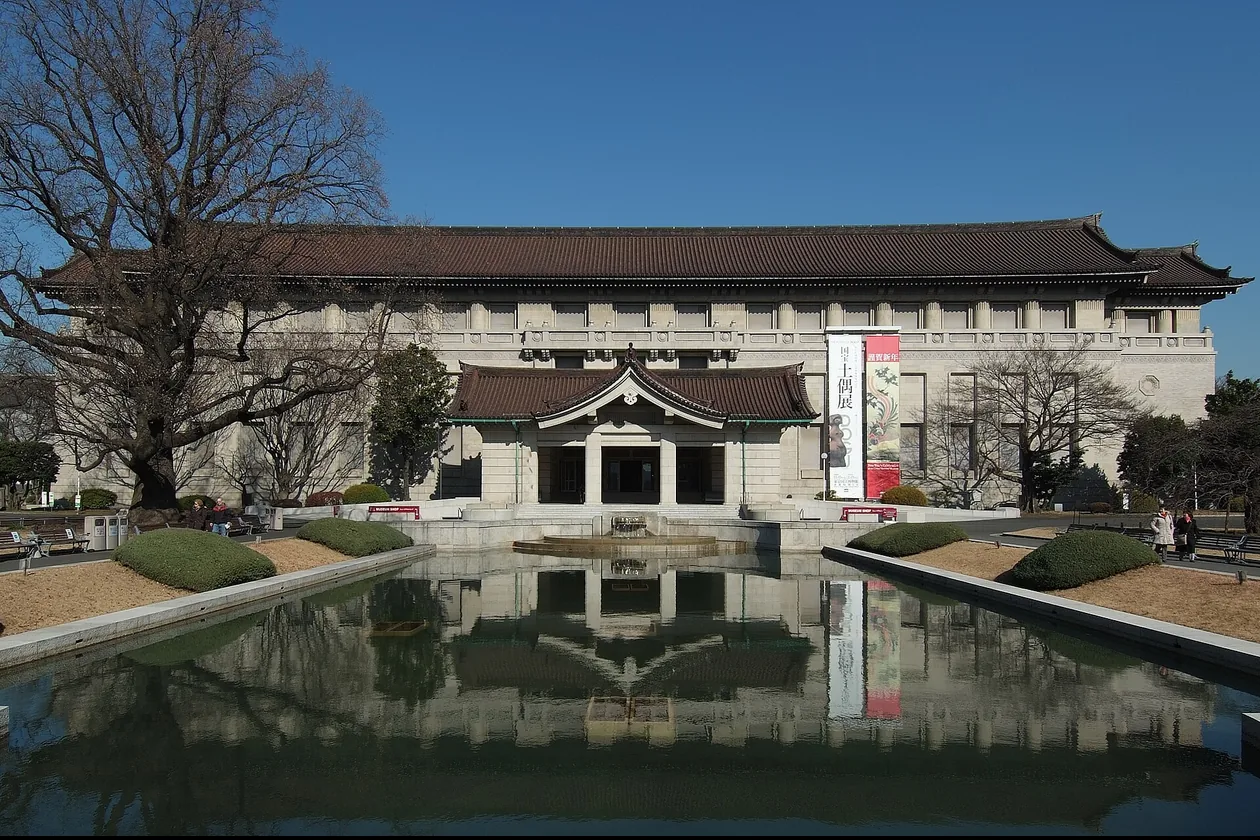
Most Tokyo guides hand you the same three names and call it a list. The city has more than a hundred museums, and the gap between the famous ones and the ones worth your time is wider here than almost anywhere.
The Tokyo National Museum holds the largest collection of Japanese art on earth and a fraction of the crowd you'd expect. teamLab turned digital art into the most-booked ticket in the city. And the museum people travel furthest for, the Ghibli Museum, won't sell you a ticket at the door. Here are the ten worth your time, with honest verdicts and what to book before you fly.
In 3 minutes, you'll know:
- Which ten museums are worth it, grouped by art, digital, and Tokyo's own history
- The two you have to book weeks ahead, and how the slots work
- Where the Grutto Pass and the free Sundays pay off
teamLab Planets in Toyosu is the one ticket most visitors regret leaving to chance. It sells timed slots that fill weeks ahead on weekends and cherry-blossom dates, and the official DMM store shows "sold out" long before your trip.
Where to book
Our take: GYG if your dates are firm and you want the slot held with one booking; the official DMM store if you're flexible and want the lowest yen price.
1. Tokyo National Museum — the one every visitor should see
What: The oldest and largest museum in Japan, in Ueno Park since 1872. Over 110,000 objects, including the world's deepest collection of samurai swords, Buddhist sculpture, ukiyo-e prints, and national treasures rotated through the Honkan (Japanese Gallery). Tickets: ¥1,000 adults, ¥500 students, free under 18 and over 70. Special exhibitions priced separately. Time needed: 2 hours for the Honkan highlights, half a day if you add the Asian and Heiseikan wings. Best for: Anyone who wants to understand Japanese art before seeing the rest of the country.
Start in the Honkan and walk it top-floor down — the second floor runs chronologically from ancient Jomon pottery to Edo-period screens, so you get the whole arc in one loop. The sword room and the Buddhist sculpture hall are the two most people remember. Closed Mondays, open 9:30 to 17:00, later on some Fridays and Saturdays. Free-entry days for the regular collection fall on 19 May, 21 September, and 3 November 2026.
2. teamLab Planets — barefoot through digital water
What: An immersive digital art space in Toyosu where you walk barefoot through knee-deep water, mirrored rooms, and a hall of hanging orchids. Not paintings on a wall — rooms you move through, built by the teamLab collective. Tickets: From ¥3,600, rising to ¥4,800 on weekends and cherry-blossom dates. Timed entry only. Time needed: 1.5 to 2 hours. Best for: First-timers, families, anyone who's seen the photos and wants the real thing.
Wear shorts or trousers you can roll up, since two rooms have water above the ankle. Book the earliest morning slot you can — the mirrored rooms get crowded by midday and the photos you came for need space. Open Mondays, unlike most Tokyo museums. Full booking strategy in our teamLab Planets tickets guide.
3. Mori Art Museum — contemporary art with the best view in Tokyo
What: Major international and Japanese contemporary shows on the 53rd floor of Mori Tower in Roppongi Hills. The ticket includes the Tokyo City View observation deck on the same floor. Tickets: ¥2,000, which covers both the exhibition and the 360-degree city view. Time needed: 1.5 hours including the view. Best for: Contemporary art viewers, anyone who wants a skyline panorama without paying tower prices.
The shows rotate every few months and lean ambitious — large-scale installation, architecture, Asian contemporary art you won't see in Western museums. Time your visit for late afternoon so the exhibition and the view both land before the city lights come on. The Mori keeps longer hours than any major Tokyo museum, often until 22:00, which makes it the rare museum you can do after dinner.
4. National Museum of Western Art — a Le Corbusier building with Monet and Rodin
What: The only Le Corbusier building in Japan and a UNESCO World Heritage site, in Ueno Park. Inside, the Matsukata Collection: Monet, Renoir, Gauguin, and a forecourt of Rodin bronzes including a cast of The Thinker. Tickets: ¥500 adults, ¥250 students, free for high schoolers and younger. Time needed: 1 to 1.5 hours. Best for: Architecture fans, anyone who wants Impressionism for the price of a coffee.
The building is the reason to come even before the art — Le Corbusier's spiral ramp pulls you up through the galleries on a single rising path. The Rodin bronzes in the forecourt are free to see without a ticket. Permanent-collection entry is free on the second and fourth Sunday of each month, and on 18 May and 3 November 2026. Closed Mondays.
5. Ghibli Museum — the one you book a month ahead or not at all
What: Hayao Miyazaki's storybook museum in Mitaka, west of central Tokyo. A short exclusive Ghibli film you can only see here, the recreated studio, the giant Robot Soldier on the roof, and almost no signage by design — you wander. Tickets: ¥1,000 adults, by advance reservation only. No tickets are sold at the door. Time needed: 2 hours, plus 30 minutes each way from Shinjuku. Best for: Studio Ghibli fans of any age. Everyone else can skip it.
Tickets for each month go on sale on the 10th of the previous month at 10:00 Japan time through Lawson Ticket, and popular dates sell out within the hour. The name on the booking must match your passport, and entry is by fixed slot (10:00, 12:00, 14:00, or 16:00). Closed Tuesdays. Miss the booking window and there is no backup — plan this one first. The full ticket walkthrough covers the parts of the Lawson checkout that catch people out.
6. Nezu Museum — East Asian art and the garden most visitors don't expect
What: A private collection of Japanese and East Asian art (the Irises folding screens by Ogata Korin are the star, shown only in spring) in a Kengo Kuma building in Aoyama, wrapped around a strolling garden with teahouses and stone Buddhas. Tickets: ¥1,300 for the collection online, ¥1,500 for special exhibitions. Free for junior high age and under. Time needed: 1 to 1.5 hours including the garden. Best for: Anyone who wants a quiet hour off the Aoyama shopping streets, garden lovers.
The garden is the surprise — a wooded ravine in the middle of one of Tokyo's most expensive districts, easy to miss if you only came for the art. Korin's Irises screens are displayed only for a few weeks around late April and May, so check the calendar if that's why you're going. Closed Mondays. The bamboo-lined approach by Kengo Kuma is worth slowing down for.
7. National Art Center, Tokyo — no permanent collection, all architecture
What: A vast Kisho Kurokawa building in Roppongi with an undulating glass facade and no collection of its own. It hosts large rotating exhibitions and the major artist-association shows instead. Tickets: Free to enter the building. Each special exhibition has its own ticket, priced by show. Time needed: 1 hour for the architecture, more if a show pulls you in. Best for: Architecture fans, anyone in Roppongi between the Mori and the Suntory.
Even with nothing booked, the building is a free walk-through — the glass wave, the two upturned concrete cones with cafes balanced on top, the light flooding the atrium. Check what's on before you commit to a paid show, since the program swings from blockbuster retrospectives to members' salons. It sits a short walk from the Mori Art Museum, so the two pair naturally into a Roppongi afternoon.
8. Edo-Tokyo Museum — the city's own story, reopened in 2026
What: The history of Tokyo from the shogun's Edo to the modern metropolis, in Ryogoku. Life-size reconstructions — a full-scale Nihonbashi bridge you walk across, a kabuki theatre facade, scale models of the old city. Tickets: ¥800 adults, ¥400 over-65, free for junior high and under. Time needed: 1.5 to 2 hours. Best for: History-minded visitors, families, anyone staying near Ryogoku or the sumo district.
The museum reopened on 31 March 2026 after a four-year renovation that replaced the climate and lighting systems and refreshed the permanent display. The reconstructions are the draw — standing on the recreated Nihonbashi gives you the scale of Edo in a way no painting does. Pair it with a morning at the nearby Kokugikan if a sumo tournament is on.
9. teamLab Borderless — the second teamLab, and the harder one to leave
What: The other teamLab space, reopened in 2024 inside Azabudai Hills. Where Planets is a fixed path, Borderless is a maze with no map — artworks move between rooms and you find your own way through. Tickets: ¥3,800 weekdays, ¥4,400 weekends and holidays. Timed entry. Time needed: 2 to 3 hours, longer than Planets. Best for: Anyone who loved Planets and wants more, repeat visitors, photographers.
Pick one teamLab if you have a single free afternoon, both only if you're a fan — they share a sensibility but the experiences differ. Borderless rewards wandering and gets disorienting in the best way, so leave the itinerary at the door. Like Planets, it opens Mondays and sells timed slots that fill ahead on weekends. If you're deciding between the two, our teamLab Planets vs Borderless comparison breaks down price, length, and which suits your trip.
10. National Museum of Nature and Science — the family-proof rainy-day pick
What: Japan's national natural history and science museum in Ueno Park, with a full-size blue whale model out front, dinosaur skeletons, and the taxidermied dog Hachiko inside. Tickets: ¥630 adults, free for high school age and under. Time needed: 2 hours, more with kids. Best for: Families, science fans, anyone in Ueno on a rainy day.
The Japan Gallery covers the islands' natural history and the Global Gallery runs evolution and space, with enough hands-on exhibits to hold children for an afternoon. It sits a five-minute walk from the Tokyo National Museum, so the two split a single Ueno day cleanly. Permanent-collection entry is free on 18 May and 3 November 2026. Closed Mondays.
How to pair them
Tokyo's museums don't cluster the way Berlin's or Madrid's do, so plan by district, not by checklist.
- Ueno day: Tokyo National Museum (9:30 opening, 2h) → National Museum of Western Art (1h) → National Museum of Nature and Science if you have kids. All within Ueno Park.
- Roppongi afternoon: Mori Art Museum and the City View (late afternoon, 1.5h) → National Art Center (1h). A 10-minute walk apart.
- Digital day: teamLab Planets in Toyosu (booked morning slot) or teamLab Borderless in Azabudai. Don't try both in one day unless you're a fan.
- Booked-slot days: The Ghibli Museum and teamLab are fixed-time entries on opposite sides of the city. Build the rest of the day around whichever you booked, not the reverse.
What do most visitors wish they knew about Tokyo museums?
Three things. First, that the two best-known museums — the Ghibli Museum and teamLab — are the two you can't buy on the day, and leaving them to chance is the most common Tokyo regret. Second, that the Grutto Pass (¥2,500, sold from 1 April, over 100 museums) pays for itself after roughly four visits and covers most of this list. Third, that Monday is the wrong day for museums in Tokyo: the national museums close, crowds pile onto Tuesday, and only teamLab and the Mori stay open. If you have one museum day and it lands on a Monday, make it a teamLab day.
- National museum tickets
- ¥500–¥1,000 · under 18 and over 70 free at the national museums
- teamLab Planets / Borderless
- ¥3,600–¥4,800, timed entry, sells out weeks ahead on weekends
- Ghibli Museum
- ¥1,000, advance only — slots released on the 10th of the previous month, 10:00 JST
- Grutto Pass
- ¥2,500 booklet, sold from 1 April, free or discounted entry to 100+ museums
- Closed Mondays
- Most national museums. teamLab and the Mori Art Museum open daily; the Ghibli Museum closes Tuesdays.
- Free days
- National Museum of Western Art: 2nd and 4th Sunday. Several museums free on 18 May and 3 November 2026.
- Disclaimer
- Prices and timed-entry windows change. Confirm on each museum's official site before you go.
Last verified: June 2026
Frequently asked questions
What are the best museums in Tokyo?
Ten are worth your time, across three kinds of visit. For art and history: the Tokyo National Museum (the largest collection of Japanese art in the world), the National Museum of Western Art (a Le Corbusier building with Monet and Rodin), the Nezu Museum (East Asian art and a famous garden), and the Mori Art Museum (contemporary, on the 53rd floor with city views). For digital and pop culture: teamLab Planets and teamLab Borderless (immersive digital art) and the Ghibli Museum in Mitaka. For Tokyo's own story: the Edo-Tokyo Museum (reopened March 2026) and the National Museum of Nature and Science. The National Art Center rounds out the ten for its architecture and rotating shows. The two you must book ahead are the Ghibli Museum and teamLab.
What are the best museums in Tokyo, Japan?
Tokyo, Japan has more than 100 museums, more than any other city in Asia, spread across several districts rather than one museum quarter. The cluster most visitors start with is Ueno Park, home to the Tokyo National Museum (Japanese art and national treasures), the National Museum of Western Art (a Le Corbusier UNESCO building with Monet and Rodin's The Thinker), and the National Museum of Nature and Science. Roppongi holds the contemporary trio: the Mori Art Museum, the National Art Center, and the Suntory Museum of Art. Beyond them, the essentials are the digital art of teamLab Planets in Toyosu and teamLab Borderless in Azabudai, the Ghibli Museum in Mitaka (advance booking only), the Nezu Museum and its garden in Aoyama, and the Edo-Tokyo Museum in Ryogoku, which reopened in March 2026 after a four-year renovation. Most national museums charge ¥500 to ¥1,000; teamLab and Ghibli cost more and sell timed slots that go weeks ahead. The Grutto Pass (¥2,500) covers entry or discounts at over 100 of them.
How much do Tokyo museums cost?
Most national and city museums are cheap: the Tokyo National Museum is ¥1,000, the National Museum of Western Art ¥500, the National Museum of Nature and Science ¥630, and the Edo-Tokyo Museum ¥800. Under-18s and over-70s are free at the national museums. The exceptions are the experiences: teamLab Planets and Borderless run ¥3,600 to ¥4,800 depending on date, and the Ghibli Museum is ¥1,000 but sells out within hours. The Grutto Pass, a ¥2,500 booklet sold from April each year, covers free or discounted entry to over 100 museums and pays for itself after about four visits.
Which Tokyo museum should I book in advance?
The Ghibli Museum and teamLab, without exception. The Ghibli Museum is advance-reservation only — no tickets are sold at the door, and slots for each month go on sale on the 10th of the previous month at 10:00 Japan time and sell out fast. teamLab Planets and Borderless sell timed-entry slots that fill weeks ahead on popular dates. Everything else (the Tokyo National Museum, the Ueno cluster, Mori, Nezu) you can buy on the day, though buying online still skips the queue.
Are Tokyo museums open on Mondays?
Most are closed Mondays, including the Tokyo National Museum, the National Museum of Western Art, the National Museum of Nature and Science, and the Nezu Museum. When a national holiday falls on a Monday, those museums stay open and close the following Tuesday instead. The exceptions that open on Mondays are teamLab Planets, teamLab Borderless, and the Mori Art Museum, which keeps long hours most days. The Ghibli Museum closes Tuesdays, not Mondays.
How many days do you need for Tokyo's museums?
Two to three days covers the essentials without rushing. Give Ueno Park a full day for the Tokyo National Museum and the National Museum of Western Art. Spend a second day in Roppongi for the Mori Art Museum and the National Art Center, or in Toyosu for teamLab Planets. If the Ghibli Museum or teamLab Borderless made your list, build the day around your booked slot, since both are fixed-time entries on opposite sides of the city.
Ten museums, one city that spreads them across half a map. Pick your district, book the Ghibli Museum and teamLab before you fly, and leave Monday for teamLab or a day off. If you're building a wider trip, the teamLab Planets booking guide covers the slot strategy in detail, and the world ranking of 15 best art museums puts Tokyo's collections in context.