Museum Guides for European Cities
Room-by-room routes with realistic timing, what to look for in each room, and what visitors actually say. From the Prado in Madrid to the Picasso Museum in Barcelona — in-depth guides across 15 cities, written from real visits.
Top Guides
The eight museums most visitors plan a trip around. Each guide covers route, timing, what to see first, and what to skip.
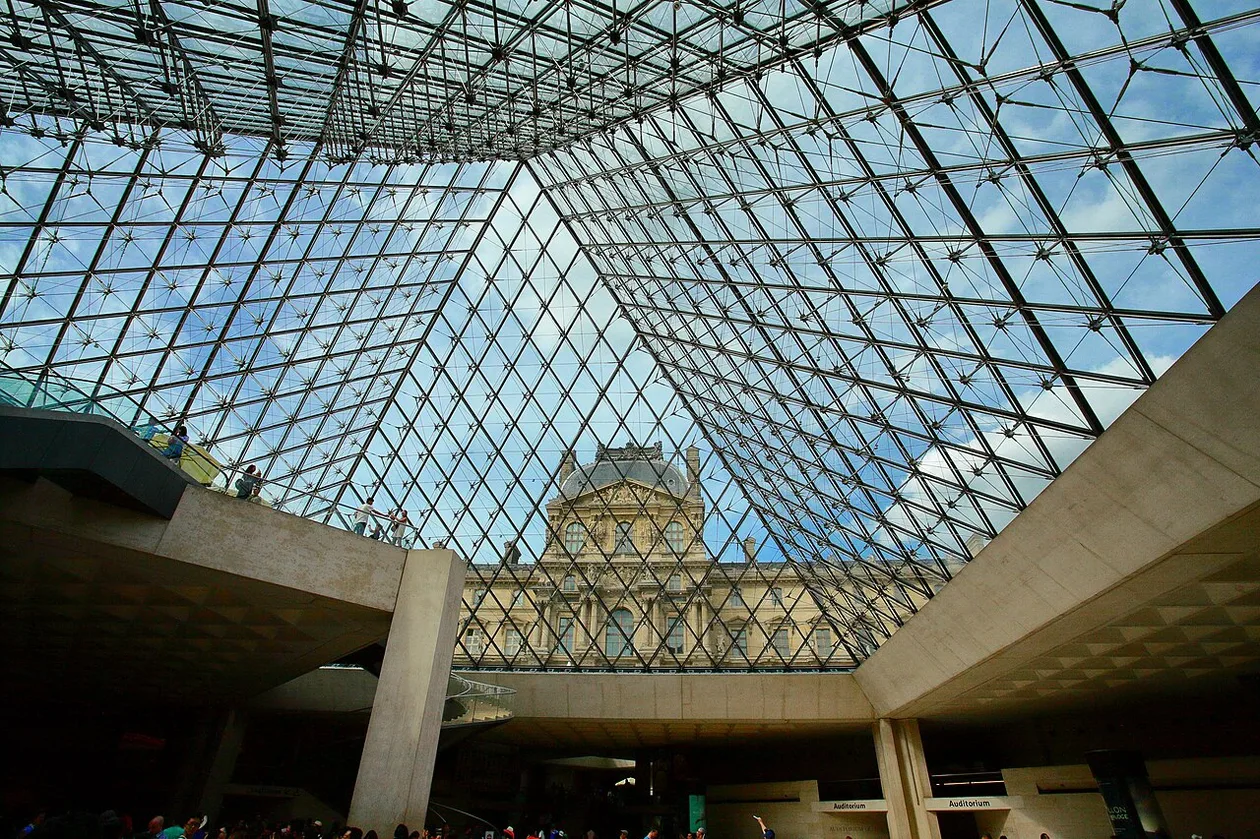
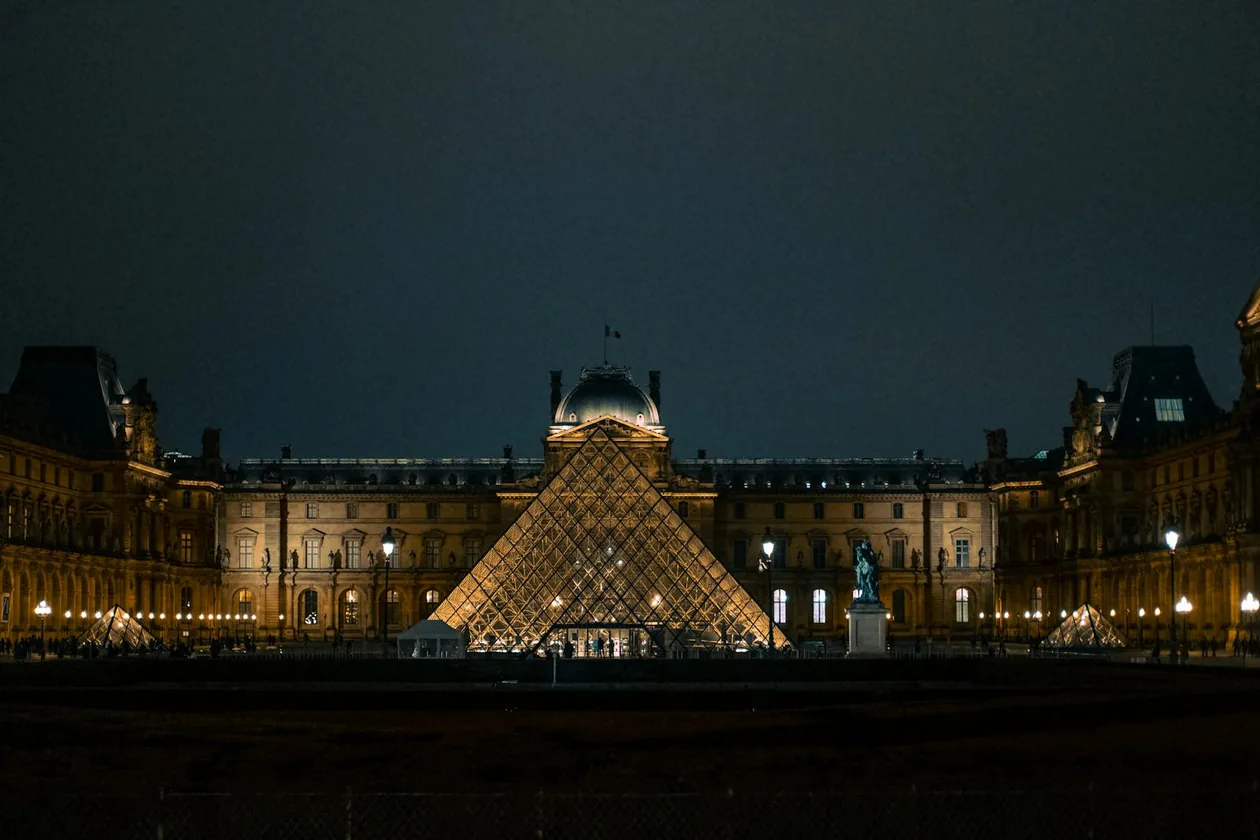
Louvre Museum
35,000 works. The 3-hour route that hits Mona Lisa, Venus, and Liberty without crowds.
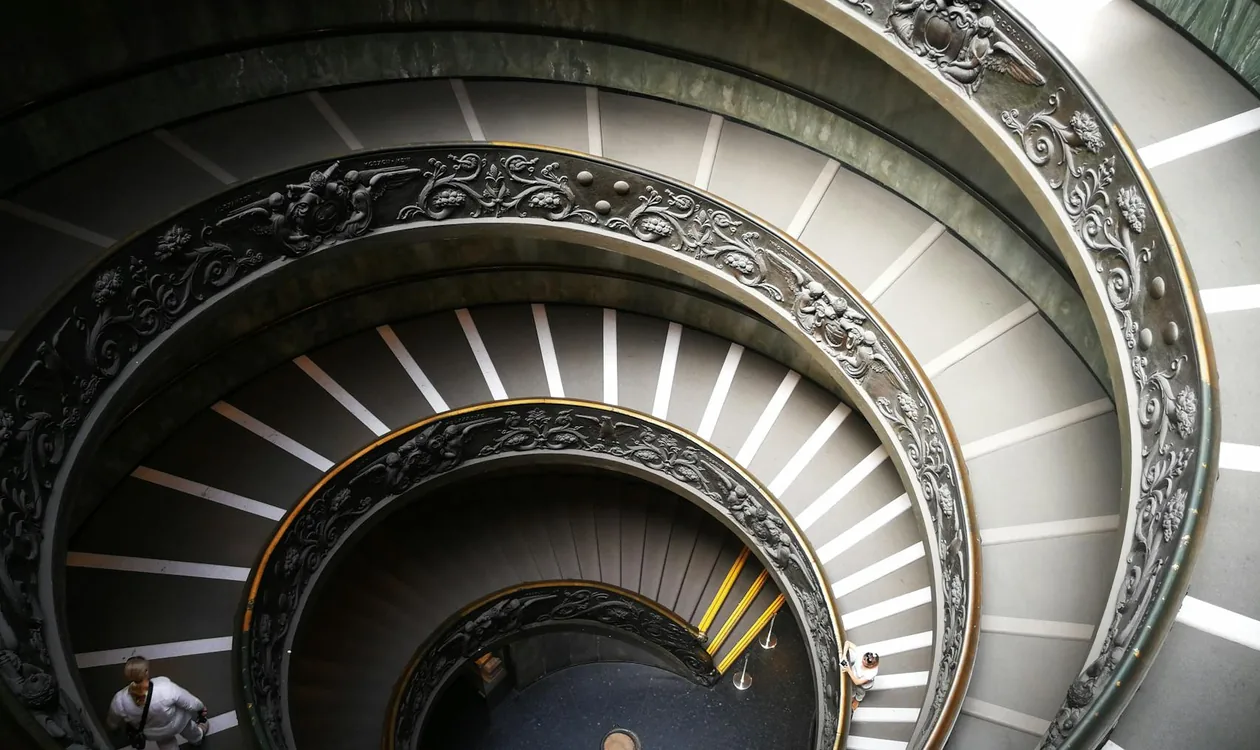
Vatican Museums
Sistine Chapel route, Raphael Rooms, and the maps gallery most visitors miss.
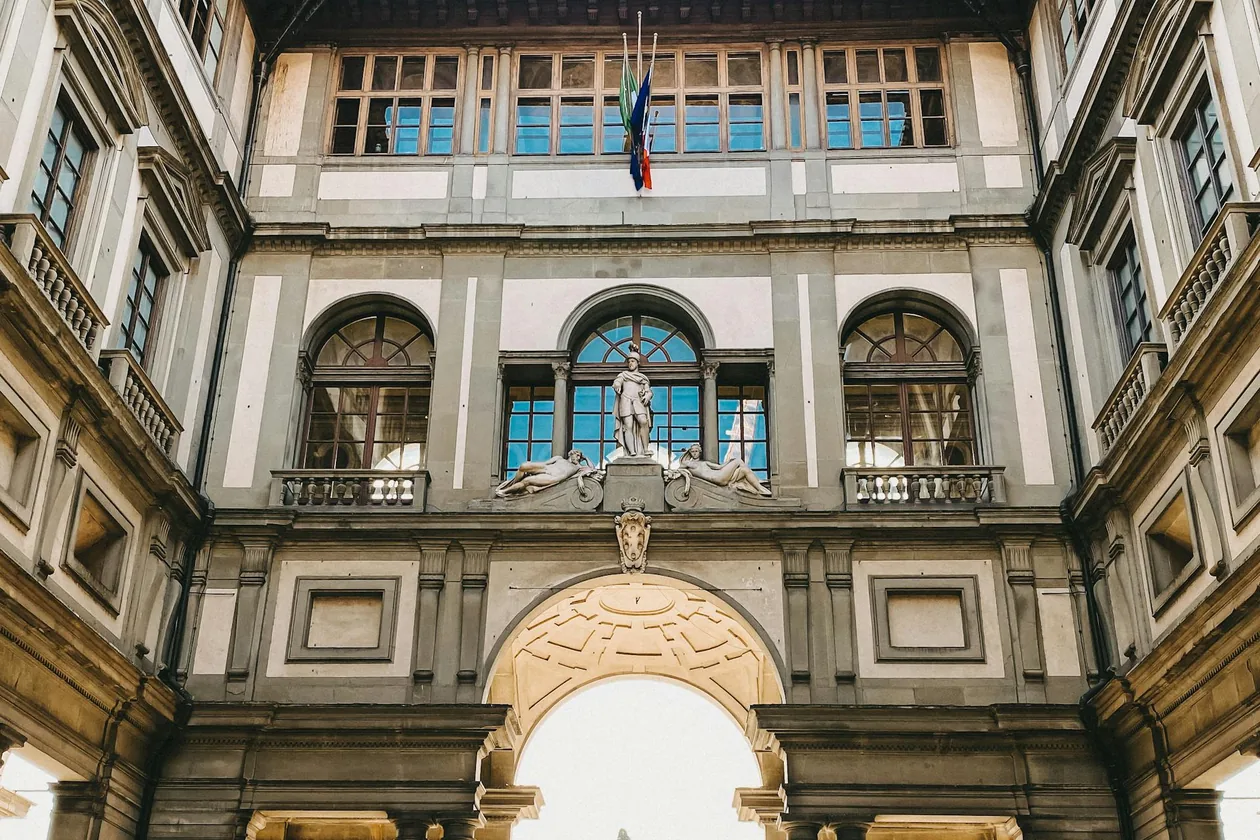
Uffizi Gallery
Botticelli's Venus, Caravaggio's Medusa, and the Tribuna. Three floors in two hours.
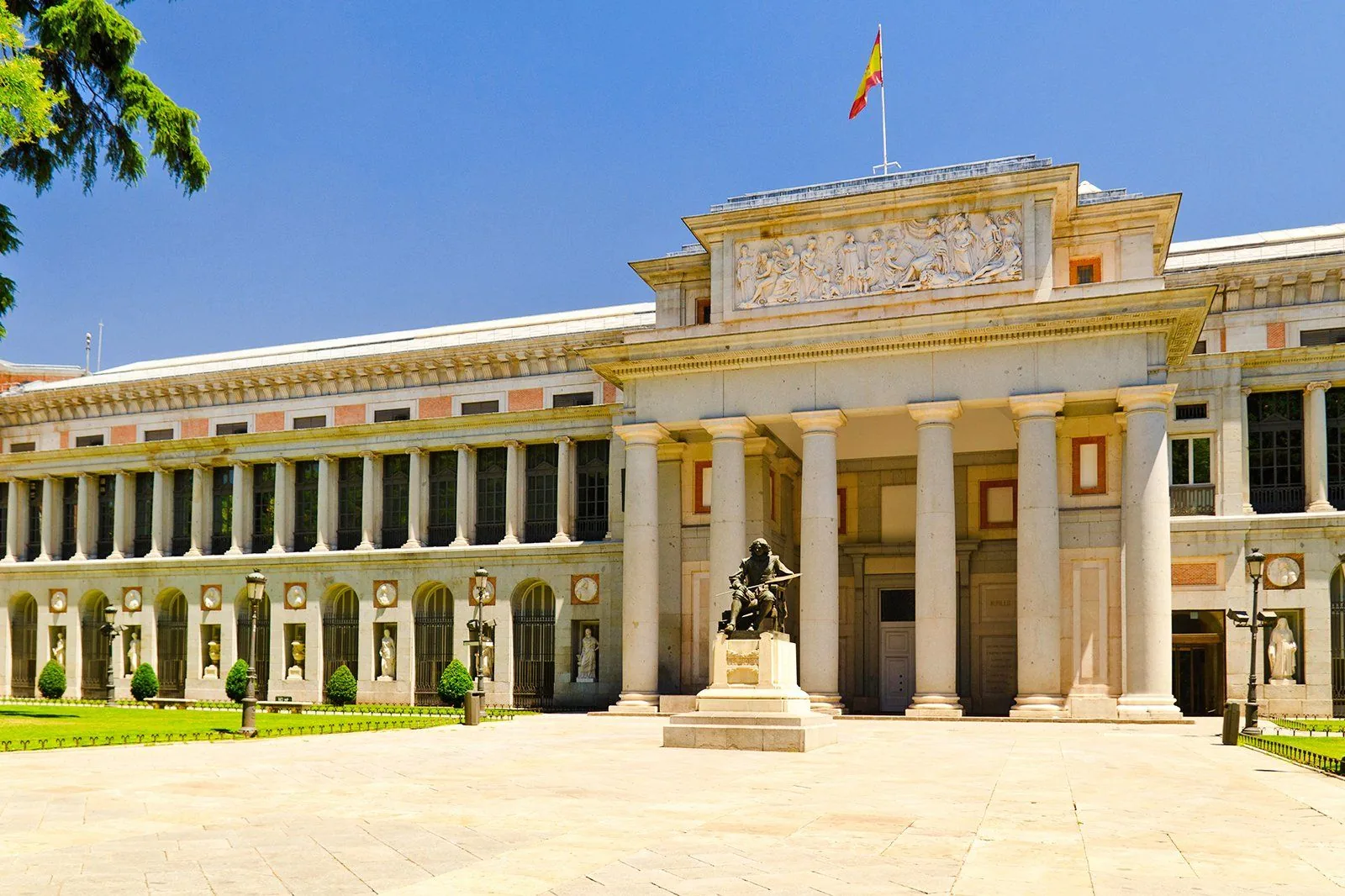
Museo del Prado
Velázquez, Goya's Black Paintings, Bosch — what to see in 2 hours and what to skip.
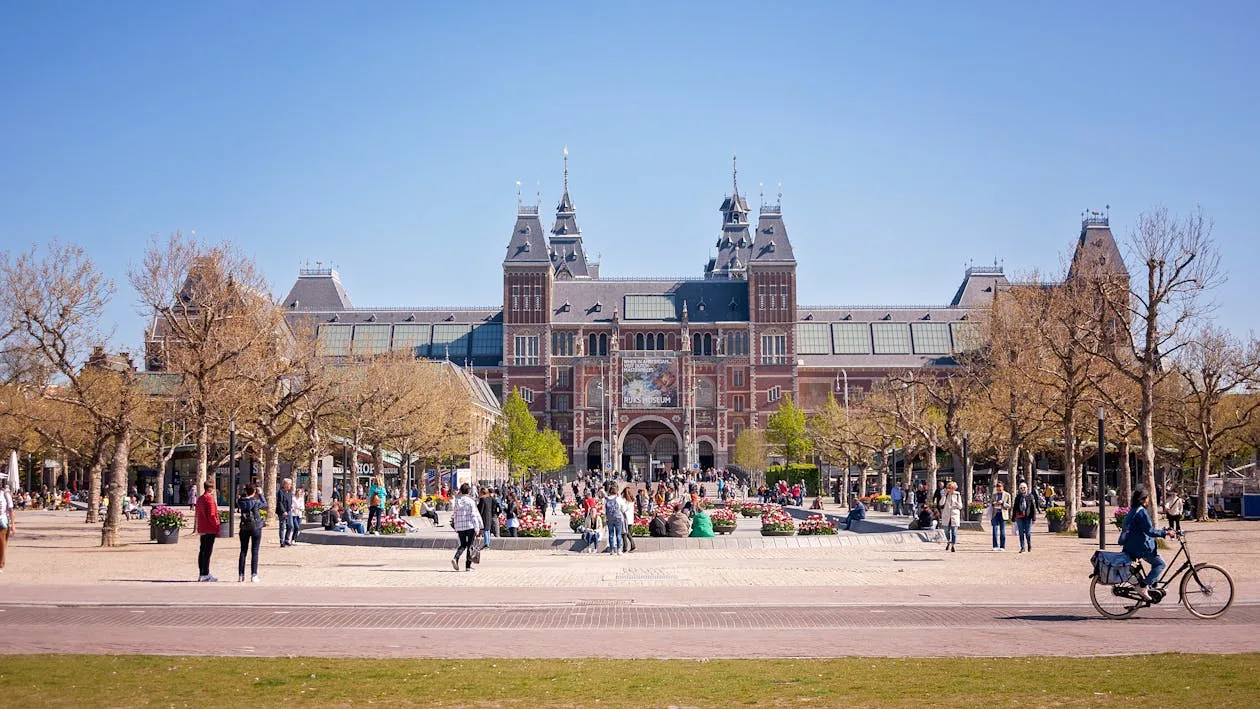
Rijksmuseum
Vermeer's Milkmaid, Rembrandt's Night Watch, the Asian Pavilion most skip.
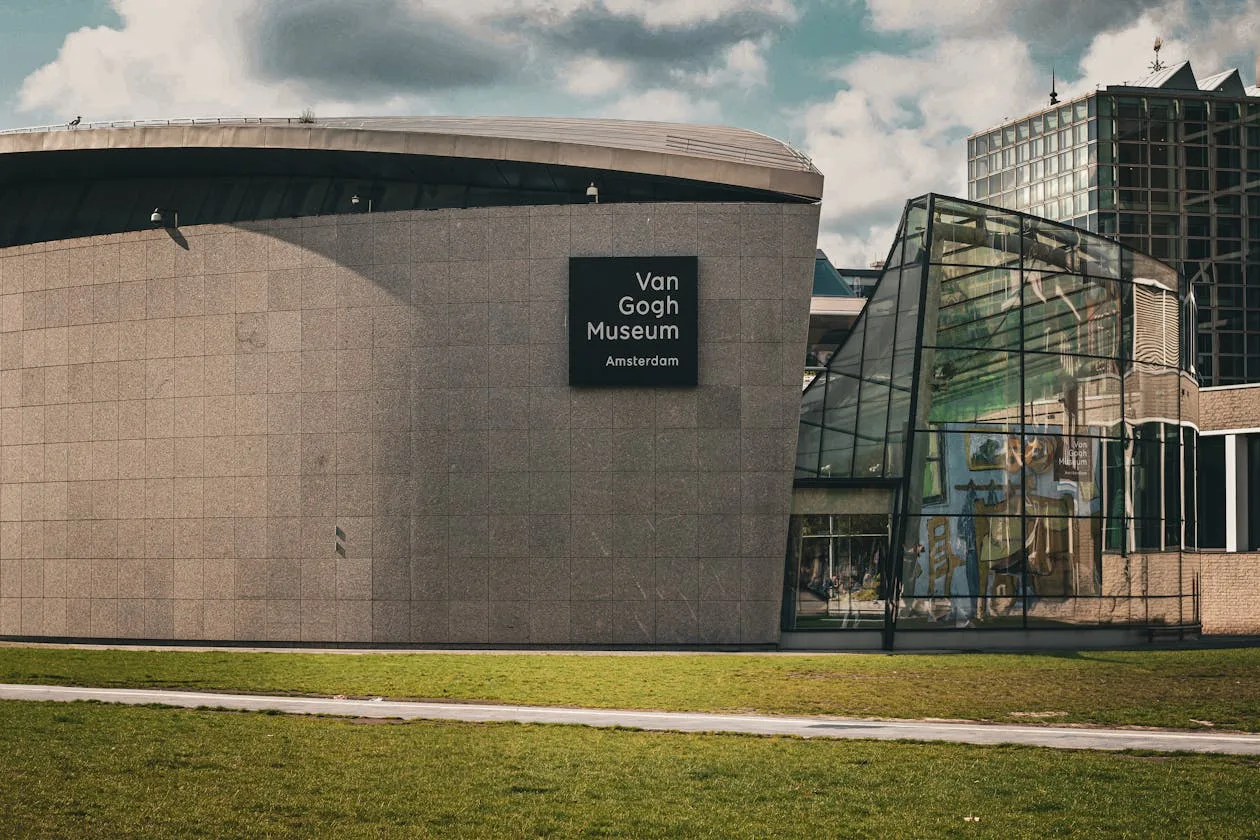
Van Gogh Museum
200 paintings across four floors. The chronological route from Potato Eaters to Wheatfield.
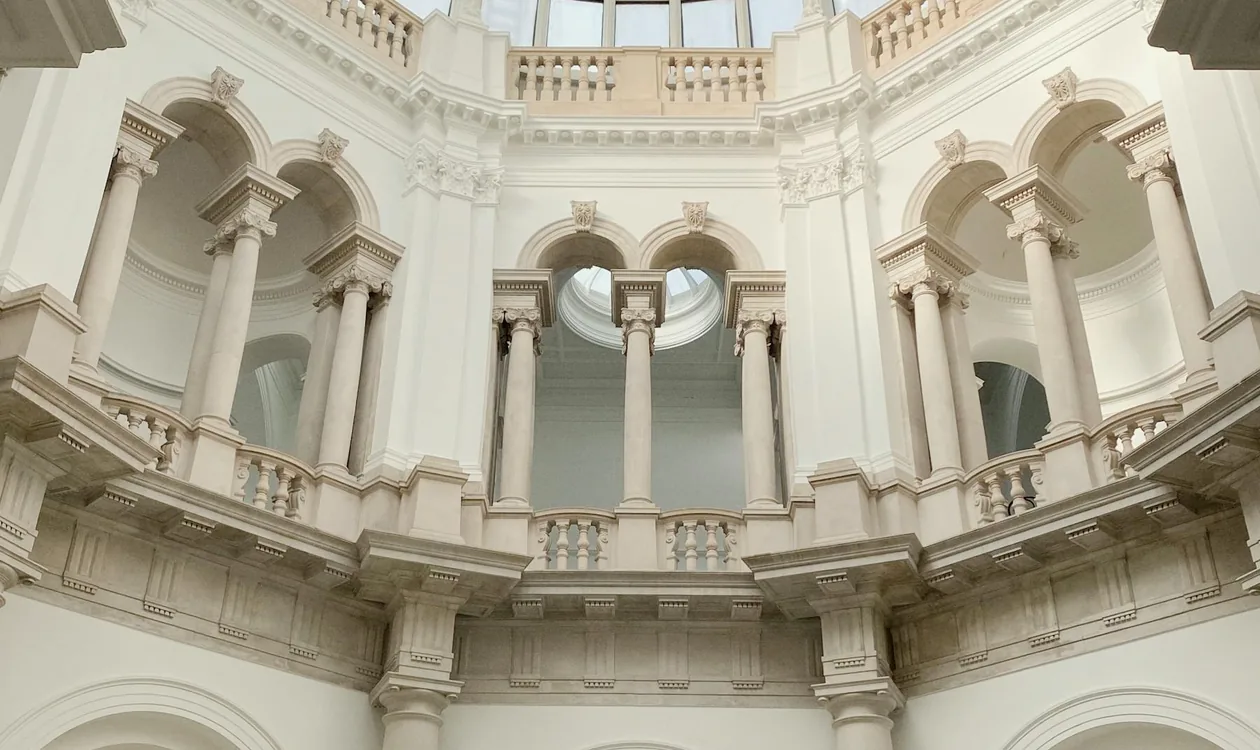
British Museum
Free. Rosetta Stone, Parthenon Marbles, the Egyptian galleries — a 2-hour highlights route.
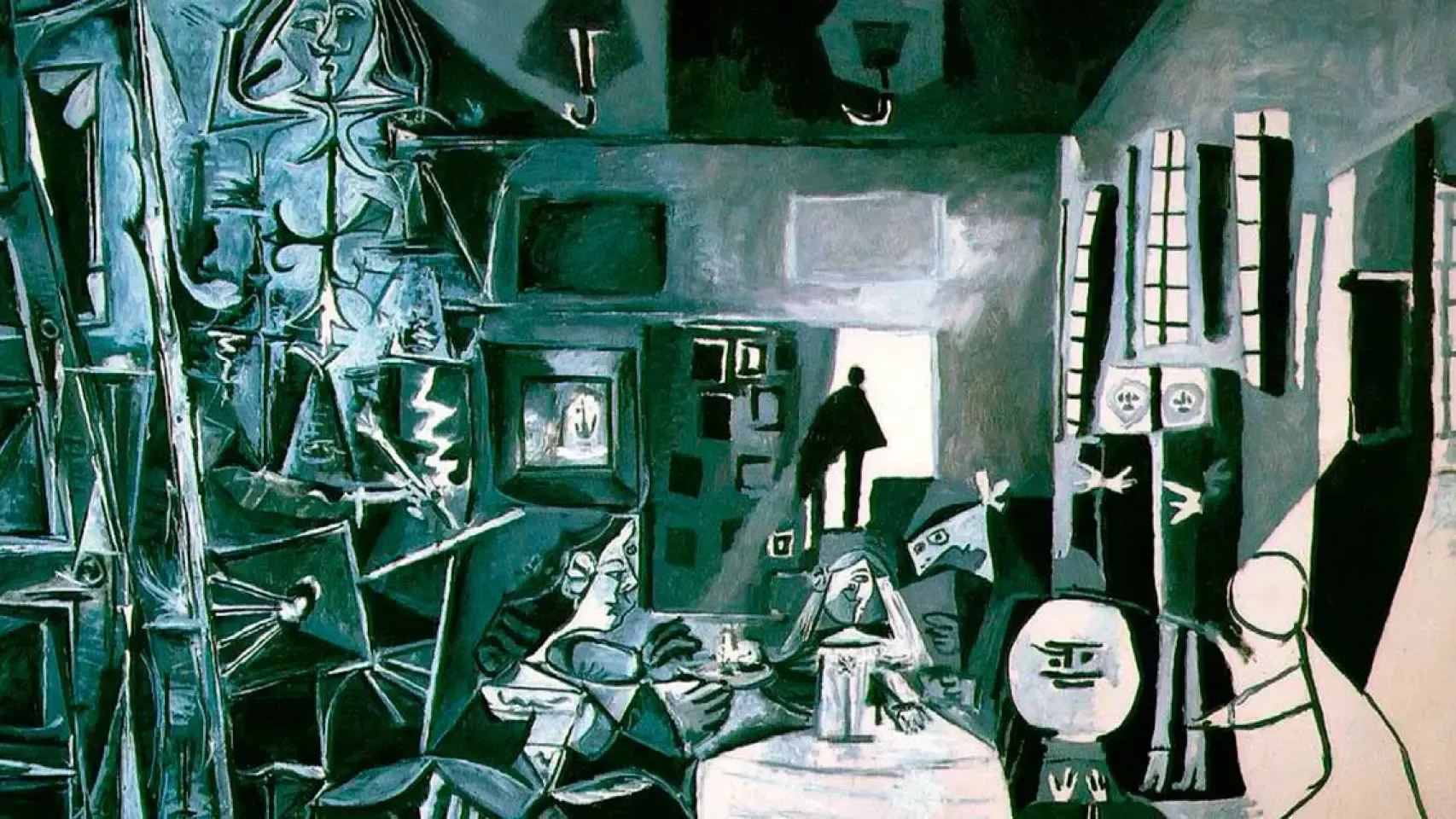
Picasso Museum Barcelona
Early Picasso, the Blue Period, and Las Meninas reinterpreted. Free Thursday evenings.
Plan Europe
Two world-level guides for cross-city planning. The first ranks the museums worth a flight; the second tracks ticket prices month by month across 40 of them.
15 Best Art Museums in the World
Louvre, Vatican, Met, Uffizi, Prado, Rijksmuseum and 9 more. Ranked by what they show, visit time, and crowd patterns.
European Museum Prices Tracker
40 museums across 11 cities. Ticket price, skip-the-line, free days, peak wait. Updated the first Monday of each month.
By City
Amsterdam
Athens
Barcelona
Bilbao
Florence
Granada
London
Madrid
Milan
New York
Paris
Rome
Venice
Tips
Mornings beat afternoons — almost everywhere
First entry slot at any major European museum is the quietest by a wide margin. Coach tours arrive between 10:30 and 11:30. If you can be at the door 30 minutes before opening, the first hour is what every guide imagines.
Two hours is the realistic ceiling
Most visitors lose focus around the 90-minute mark. Picking a 6-stop highlights route and leaving when you're tired beats grinding through every room. The guides above all clock in around 2 hours for a reason.
Free entry days are the busiest days
The Louvre's free first Sunday, the Prado's daily 6–8pm slot, and Picasso Museum's Thursday evening all draw the largest crowds of the week. If you're going free, arrive at opening (or right at the start of the slot). Otherwise, paying for a quieter morning is usually worth it.
Skip what the guidebook said to see
The Mona Lisa is small and behind glass. The David has a 40-minute queue for a 5-minute look. Pre-decide which 5–6 works actually matter to you. Each guide above marks the "look at" and the "skip" so you don't burn time on what's overrated.
FAQ
What's the best European city for art lovers?
Paris has the most pure painting (Louvre, Orsay, Orangerie, Pompidou, Petit Palais). Madrid has the highest density of world-class galleries within walking distance (Prado, Reina Sofía, Thyssen are 15 minutes apart). Florence is the best for one specific era (Italian Renaissance, Uffizi + Accademia). Vienna and London both have free national museums and a serious depth of collection. If you only get one trip: Paris for breadth, Madrid for focus, Florence for Renaissance.
How long do you actually need at major museums?
Two hours is the realistic limit for most people before fatigue sets in. The Louvre, Met, and Vatican Museums all benefit from 3 hours if you do them once-in-a-lifetime, but a focused 2-hour highlights route covers what you remember. Prado, Uffizi, Rijksmuseum, and Picasso Museum: 90 minutes to 2 hours is enough. Orsay, Accademia, Borghese: 90 minutes. Each guide above gives a tested 2-hour route.
Are guided tours worth the extra cost?
For Vatican Museums, Colosseum, and the Last Supper: yes, for most visitors — context makes a real difference and tours include priority access. For Prado, Louvre, Uffizi, or Rijksmuseum: these guides give you what a tour would, so you can go at your own pace and skip the €40–80 extra. For small museums (Orangerie, Peggy Guggenheim, Picasso Barcelona): self-guided is always better.
Which European museums are free to visit?
All UK national museums (British Museum, National Gallery, Tate Modern, V&A) are always free. Vienna's MAK is free on Tuesdays. Most major museums have at least one free day or evening per month — the Louvre's first Sunday, Picasso Museum Barcelona's Thursday evening, the Prado's daily 6–8pm. See the full free-admission calendar across 10 cities.
Do I need to book tickets in advance?
For Vatican Museums, Sagrada Família, Uffizi, Borghese, the Last Supper, and the Alhambra: yes, weeks ahead in peak season. Everything else can usually be booked a day or two ahead, or on the day in shoulder season. See the full ticket-booking guide.
Last verified: June 2026