Sophie Calle in Berlin, work by work
The route through six bodies of work in a converted railway station — and how to fold the rest of the building into the same ticket
Get your free guide
Enter your email to unlock the full room-by-room guide. One email unlocks all Berlin museum guides.
Free · No spam · Unsubscribe anytime
Calle sets a rule, follows it past the point of comfort, and pairs the photographs with text. Read first, look second — in her work the caption is not a label, it is half the piece.
Twelve photographs of Berlin places where GDR symbols were removed after reunification, each paired with a passer-by's memory of what stood there. Read every text — the memories contradict each other, and that disagreement is the work. Made in Berlin in 1996, the museum's founding year, and owned by this collection.
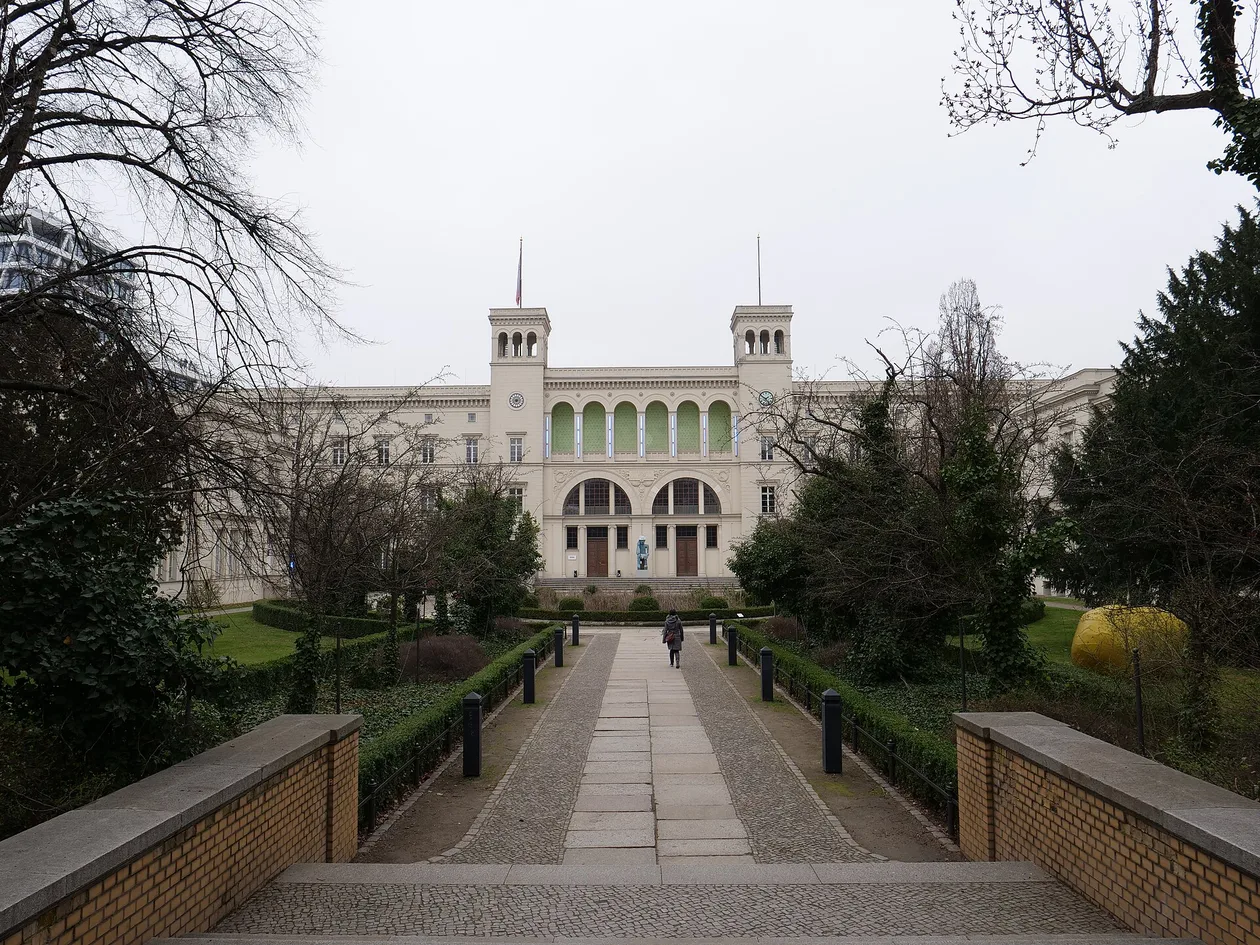
The large-scale installation from Room 501 of the abandoned hotel inside the former Gare d'Orsay, where Calle spent time almost daily from 1978 to 1981 — found objects, photographs, texts. Shown for the first time since its Paris presentation. You are standing in one converted railway station looking at the ghosts of another.
The new work made for the museum's 30th birthday enters the collection as a donation — no title or description has been released, so expect it to be the show's surprise. The remaining bodies of work span photography, video and text from three decades, including Portrait de Dora Maar (2022).
The museum stays open until 20:00 on Thursdays and visitors consistently report the galleries thinning after 18:00 — the quietest paid slot of the week.
16:00–20:00, funded by Volkswagen's Art4All programme. Busier than a paid evening, but the building absorbs the crowd. Confirm on the museum's Art4All page near your date.
Backpacks are not allowed inside, and like every SMB museum the building closes on Mondays. Saturday and Sunday open at 11:00, not 10:00.
The €16 day ticket also covers the Ryuichi Sakamoto sound exhibition and Next Door (Tacita Dean, Eliasson, Demand) running in the same building — plan a half day, not an hour.
Why it matters: The reason this show is in Berlin. Calle photographed the blank spots where GDR emblems had just been removed and asked passers-by to describe them from memory — made the year this museum opened.
What to notice: The gaps between the answers. Two people describe the same removed monument and disagree on its size, colour, even what it was. The photograph shows the absence; the texts show memory failing in real time.
Why it matters: Between 1978 and 1981 Calle spent time almost daily in Room 501 of the abandoned hotel inside the former Gare d'Orsay, before it became a museum. The installation gathers what she found and wrote there.
What to notice: The station-to-museum echo. The objects came from a derelict Paris railway station that became an art museum — and you are viewing them inside a Berlin railway station that did the same in 1996.
Why it matters: One of the named works in the museum's exhibition materials — Calle engaging with the photographer and Picasso muse whose own work was overshadowed by the men who portrayed her.
What to notice: How Calle handles a portrait of a portraitist. Maar spent her career on the other side of the lens and then inside other artists' frames; watch what Calle gives her back.
How well did you look?
3 quick questions about what you just saw
Visit complete!
Share your visit or save it for later
Your collection