Roma Pass 2026: Is It Worth It? (Honest Math for 48h vs 72h)
The Roma Pass costs €38 for 48 hours, €62.90 for 72. Unlimited transport and one or two free entries sound great — but the Vatican is excluded and the math is closer than the affiliate sites admit. Here's who saves.
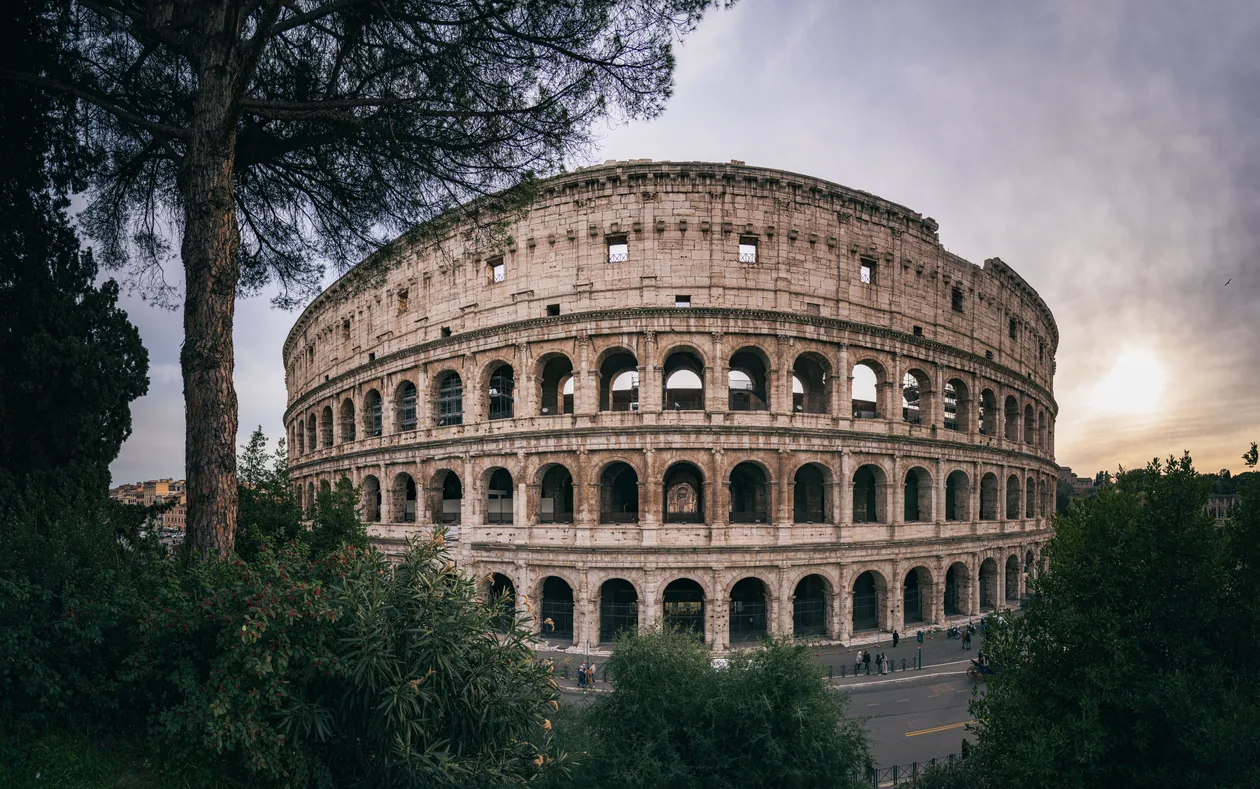
The Roma Pass promises unlimited transport and free entry to Rome's big sites for one flat price. But the Vatican is excluded, the Colosseum still needs a booked slot, and the honest math is closer than the affiliate sites want you to think. Here's exactly who saves — and who's better off with individual tickets.
Before you run the numbers, build your list with things to do in Rome and the Colosseum and Borghese Gallery ticket guides — the pass only pays off if you know which paid sites you'll actually visit.
In 3 minutes
-
The pass costs €38 (48 hours, one free entry) or €62.90 (72 hours, two free entries), both with unlimited metro, bus, and tram
-
The 72-hour pass breaks even only if you use both free entries on €18 sites and use transport — otherwise individual tickets win
-
The Vatican is not included. If it's on your list, look at the OMNIA card instead
How much does the Roma Pass cost in 2026?
€38 for 48 hours with one free entry, or €62.90 for 72 hours with two free entries. Both include unlimited public transport (metro lines A, B, C, buses, and trams) and reduced admission at 45+ partner museums and sites. The clock starts the first time you use the pass — at a museum or on transport — and runs for the full 48 or 72 hours.
Buy from romapass.it — the official app, and the cleaner buy. GetYourGuide also carries it, but that listing is non-refundable and can add a service fee, so only use it if you want everything on one platform. The 72-hour pass is the one to compare against — the second free entry usually more than covers the €24.90 gap.
The honest math: when the pass saves money
Key individual prices in 2026: Colosseum + Forum + Palatine €18, Borghese Gallery €18, Capitoline Museums €15, Castel Sant'Angelo €16, Ara Pacis €13. Rome's tourist transit tickets run €12.50 (48h) and €18 (72h) bought separately.
72-hour pass (€62.90): Use both free entries on the Colosseum (€18) and Borghese (€18) = €36. Add 72 hours of transport (€18) and you're at €54 — still €8.90 under the pass. To come out ahead you need two or three discounted entries after that (Capitoline, Castel Sant'Angelo, Ara Pacis), each shaving €2–€4. So the pass wins on a museum-dense, transport-reliant three-day trip, and loses if you walk and see one or two sites.
48-hour pass (€38): One free entry on the Colosseum (€18) plus 48-hour transport (€12.50) = €30.50 — €7.50 short. You need two more discounted sites to break even. It's marginal unless you'll genuinely lean on transport.
The rule: Unlike the Paris Museum Pass, which clearly wins for non-EEA visitors, the Roma Pass is a close call. Its value leans on the unlimited transport — and central Rome is walkable, so that value is often smaller than it looks. Both free entries must land on your two priciest sites for the pass to pay off.
What changed in 2026 — and the catches
Two things trip people up. First, reservations. A free entry doesn't skip the booking step: the Colosseum and Borghese Gallery both require a separate timed-slot reservation with a small fee (around €2), and both sell out days to weeks ahead in peak season. If you can't get a Colosseum slot, you've lost your biggest value item — book those before you activate the pass.
Second, the Vatican is excluded entirely. The Vatican Museums (€20), Sistine Chapel, and St Peter's sit in a separate state and aren't part of the Roma Pass. For many first-time visitors that's the single most expensive day of the trip — and the pass doesn't touch it. If the Vatican is central to your plans, the OMNIA 72H card (€149) bundles the 72-hour Roma Pass with the Vatican Museums, St Peter's, and a hop-on-hop-off bus, and only pays off for a Vatican-first itinerary.
Who should skip the pass?
Seeing one or two sites? Buy individual tickets. Staying in the historic center and planning to walk? You lose most of the transport value that makes the pass work. Visiting the Vatican as your main event? The Roma Pass won't cover it — price the OMNIA card or individual Vatican tickets instead. Qualify for free or reduced entry (under 18, EU 18–25)? Many sites are already cheap or free for you, so the pass has little edge. The Roma Pass rewards a specific traveler: three days, several paid museums, and real use of the metro and buses.
- Pass prices
- €38 (48 hours, 1 free entry) · €62.90 (72 hours, 2 free entries)
- Where to buy
- romapass.it (official) · GetYourGuide (non-refundable)
- Coverage
- Unlimited metro/bus/tram + 1–2 free entries + discounts at 45+ sites including the Colosseum, Borghese, and Capitoline Museums
- Not included
- Vatican Museums, St Peter's Basilica, airport transfers, Leonardo Express
Prices and reservation requirements can change — confirm on the official site before you go.
Last verified: July 2026
Frequently asked questions
Is the Roma Pass worth it in 2026?
It's a close call, not a clear win. The 72-hour pass (€62.90) pays off only if you use both free entries on your two priciest sites — the Colosseum (€18) and Borghese Gallery (€18) — rely on public transport, and hit a couple of discounted sites after that. If you mostly walk central Rome and see one or two attractions, individual tickets are cheaper.
How much does the Roma Pass cost in 2026?
€38 for 48 hours and €62.90 for 72 hours. The 48-hour pass includes one free entry; the 72-hour pass includes two. Both cover unlimited public transport (metro, bus, tram) and discounts at 45+ partner sites.
What's the difference between the 48-hour and 72-hour Roma Pass?
The 48-hour pass gives one free museum or site entry; the 72-hour pass gives two, plus a day more of unlimited transport. The 72-hour version is the better value if you're doing three or more paid sites, because the second free entry alone (€18 on the Colosseum or Borghese) more than covers the €24.90 price gap.
Does the Roma Pass include the Vatican?
No. The Vatican Museums, Sistine Chapel, and St Peter's Basilica are completely excluded — they're a separate state. If the Vatican is a priority, the standard Roma Pass won't cover your biggest-ticket day. The OMNIA Vatican & Rome card bundles the 72-hour Roma Pass with Vatican access instead.
Does the Roma Pass include public transport?
Yes — unlimited free use of Rome's metro (lines A, B, C), buses, and trams for the validity period. Airport transfers and the Leonardo Express train are not included. Note that central Rome is walkable, so many visitors use less transport than they expect.
Do you still need reservations with the Roma Pass?
Yes, for the big sites. Even with a free entry, the Colosseum and Borghese Gallery require a separate timed-slot reservation with a small booking fee (around €2), and both sell out days or weeks ahead in peak season. Book those slots before you activate the pass.
Where can you buy the Roma Pass?
From the official app and site at romapass.it, or through GetYourGuide (same price, free cancellation up to 24 hours before). Buy from an official channel — avoid resellers charging above the €38 / €62.90 face price.
Roma Pass or OMNIA card — which one?
Choose by whether the Vatican is on your list. The Roma Pass (€38–€62.90) covers ancient and civic Rome but not the Vatican. The full OMNIA 72H card (€149) adds the Vatican Museums, St Peter's, Mamertine Prison, and a hop-on-hop-off bus on top of a 72-hour Roma Pass; a leaner OMNIA Smart (€99) covers just the Vatican and Colosseum. Either only pays off if the Vatican is central to your trip.
- Colosseum Tickets 2026: Prices, Skip-the-Line & How to Book
- Galleria Borghese Tickets 2026: €18 Timed Entry
- Capitoline Museums Tickets 2026: €15
- Vatican Museums Tickets 2026: €20 Official Price
- Things to Do in Rome: An Art Lover's Honest Guide