Pompeii vs Herculaneum 2026
Same eruption, two very different visits. Herculaneum is smaller, better preserved and easy to get into; Pompeii is vast, famous and capped at 20,000 tickets a day. Here's how to choose, and how to do both from Naples.
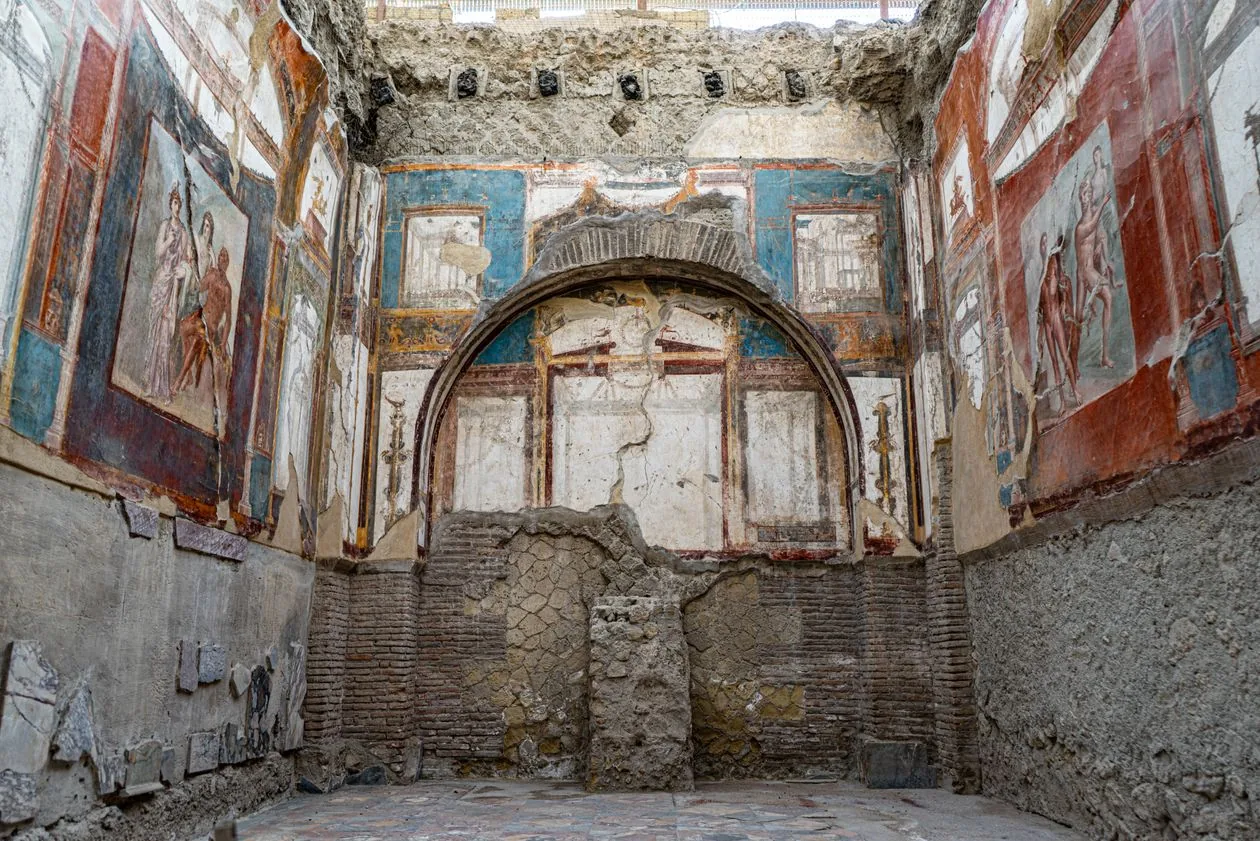
Two towns died in the same afternoon in 79 AD, and they aged completely differently. Pompeii was buried under ash and became the vast, famous ruin everyone books. Herculaneum was sealed under twenty metres of volcanic mud, which carbonized the wood instead of burning it. That's why you can still see second floors, roof beams and a wooden boat there, and why the two visits feel nothing alike.
Most people assume Pompeii is the one to see. It's the bigger name. But if your feet, your schedule or your patience for crowds are limited, Herculaneum often wins.
In 3 minutes:
- Herculaneum: €16, compact, best preserved, about 2 hours, quiet, no daily cap.
- Pompeii: €20 Express, huge, world-famous, half a day or more, capped at 20,000 tickets and often busy.
- No official combined ticket, but both sit on the Circumvesuviana line, so doing both in a day is normal.
Is Pompeii or Herculaneum better to visit?
If you want preservation and calm, Herculaneum. The mud that buried it kept things Pompeii lost: intact upper storeys, carbonized furniture, door frames, and frescoes that still hold their reds. It's small enough to see properly in two hours, and the crowds are a fraction of Pompeii's.
If you want scale and fame, Pompeii. This is a whole Roman city — forum, amphitheatre, bathhouses, brothels, the plaster body casts. It rewards a half or full day, and it asks for it: the site is spread out, exposed to the sun, and hard on tired legs.
Where to book — Herculaneum
Where to book — Pompeii
Our take: Buy Herculaneum at the official desk or online, it almost never sells out; for Pompeii, book the nominative ticket ahead on Vivaticket because the daily cap bites in summer. To see both without planning the logistics, a guided day trip from Naples covers both sites with tickets in one small group.
What to look for
At Herculaneum, look up. Many houses keep their second floors, balconies and wooden beams. Find the carbonized wooden partition in the House of the Wooden Partition, and the frescoed College of the Augustales.
At Herculaneum, find the boat sheds. On the old shoreline, arched chambers held the skeletons of people who died waiting for rescue. It's the quietest, heaviest part of the site.
At Pompeii, stand in the forum. Vesuvius sits square on the horizon behind the temple columns. It's the photograph everyone comes for, and it explains the whole story in one frame.
At Pompeii, walk to the amphitheatre. It's a long way to the far end and most groups turn back early, so the oldest surviving Roman amphitheatre is often nearly empty.
Compare the frescoes. Herculaneum's colours survived the mud; Pompeii's are more faded but there's far more of them. Seen back to back, the difference is the whole lesson.
What do most visitors wish they knew?
Do the small site first. Herculaneum in the morning is calm and takes about two hours; save the afternoon for Pompeii, which needs the room. Both are stops on the Circumvesuviana from Naples: Ercolano Scavi for Herculaneum (then a short downhill walk), Pompei Scavi–Villa dei Misteri for Pompeii.
There's no official combined ticket. If you want one pass for both, the Campania Artecard covers your first two sites free plus regional trains, which usually beats buying two separate tickets. And two Herculaneum sights are closed right now, the Villa of the Papyri and the Ancient Theatre, so don't build your visit around them.
For the Pompeii treasures that aren't on site anymore, the frescoes and mosaics live at the Naples Archaeological Museum in the city. If Pompeii's cap has your date sold out, our Pompeii sold-out guide covers the workarounds.
- Herculaneum
- €16 · €2 (EU 18–24) · free under 18 · free first Sunday · no weekly closing day
- Herculaneum hours
- 8:30–19:30 summer (last entry 18:00) · 8:30–17:00 winter (last entry 15:30)
- Pompeii
- €20 Express · €25 Pompeii+ (villas + shuttle) · €2 (EU 18–24) · free under 18 · free first Sunday
- Pompeii hours
- 9:00–19:00 summer (last entry 17:30) · 9:00–17:00 winter (last entry 15:30) · 20,000 daily cap, nominative tickets
- Getting there
- Circumvesuviana: Ercolano Scavi (Herculaneum) · Pompei Scavi–Villa dei Misteri (Pompeii)
- Time needed
- Herculaneum ~2 hours · Pompeii half to full day
- Book at
- Herculaneum official · Pompeii official (Vivaticket)
Hours and prices can change — confirm on the official sites before you go.
Last verified: August 2026
Frequently asked questions
Is Pompeii or Herculaneum better to visit?
It depends on what you want. Herculaneum is smaller, better preserved and less crowded — you see upper floors, wooden furniture and bright frescoes that Pompeii lost. Pompeii is the complete lost city: a forum, an amphitheatre, streets that go on for hours, and the famous body casts. If you only have half a day and hate crowds, choose Herculaneum. If you want the full Roman-city experience and don't mind the walking, choose Pompeii.
Can you visit both Pompeii and Herculaneum in one day?
Yes, and many people do. Both sit on the Circumvesuviana line from Naples: Ercolano Scavi for Herculaneum, Pompei Scavi for Pompeii. Do the compact site first in the morning (about two hours at Herculaneum), then Pompeii in the afternoon. There's no combined official ticket, so you buy each separately, or take a guided day trip that bundles transport and both tickets.
How much are Pompeii and Herculaneum tickets in 2026?
Herculaneum is €16 full, €2 for EU visitors aged 18 to 24, free under 18. Pompeii is €20 for the Express ticket (the ancient city) or €25 for Pompeii+ which adds the suburban villas and a shuttle. Both are free on the first Sunday of each month, when you queue on the day rather than book online.
Do Pompeii tickets sell out?
They can. Pompeii caps admissions at 20,000 a day and tickets are now nominative, tied to your name and a time band. In peak season the morning slots go first, so book ahead on the official Vivaticket site. Herculaneum has no daily cap and rarely sells out, so it's the easier walk-up of the two.
Short on time or tired of crowds, take Herculaneum. Want the full lost city, give Pompeii its day. With both on the same train line, the honest answer for most visitors is one in the morning and one after lunch.