One Week in Rome: 7-Day Itinerary for First-Time Visitors (2026)
Seven days in Rome without burnout. Vatican, Colosseum, Borghese in the first three. Trastevere, Testaccio, Aventino, and a day trip in the rest. What to book, when, how much it costs.
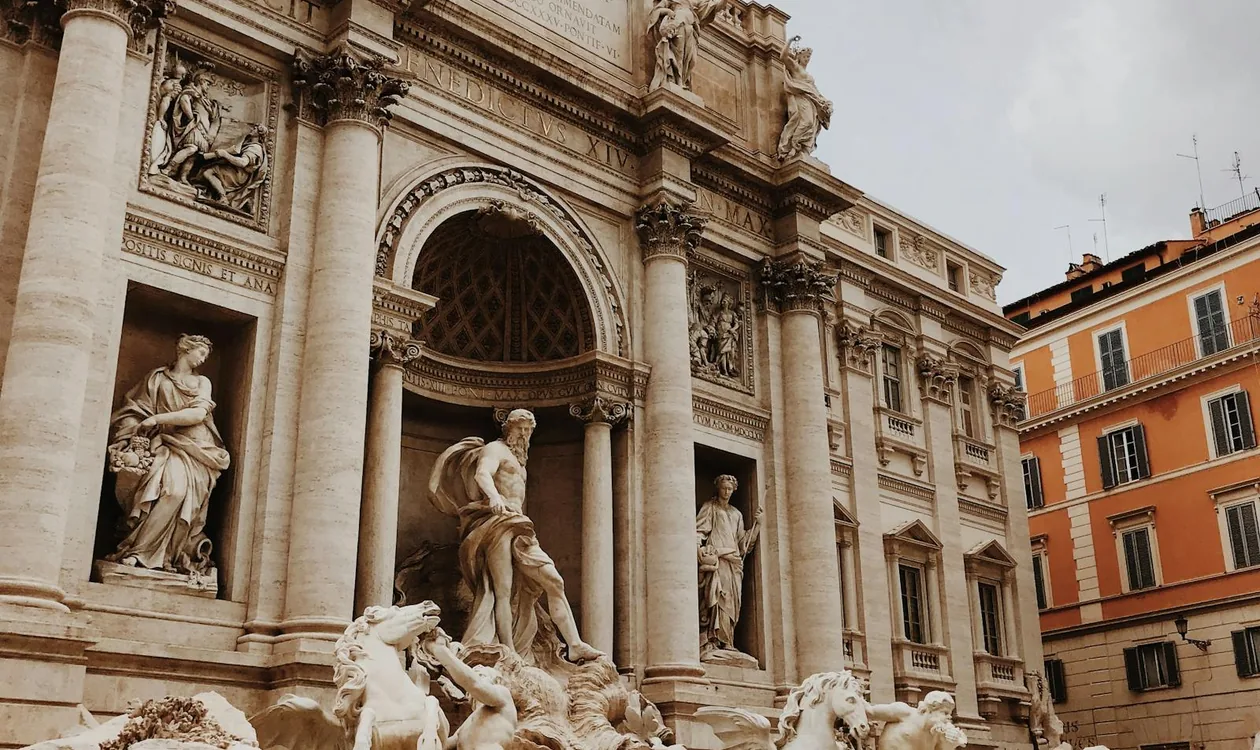
Most "one week in Rome" itineraries either repeat a 3-day route at half speed or pile on every site that ranks on TripAdvisor. Neither works. A week here is enough to see the headline sights at a fair pace and still leave time for the neighbourhoods that turn a trip into a memory: Trastevere on a Tuesday morning, Testaccio at lunch, Aventino at sunset, a day trip to a Renaissance garden 45 minutes out.
Seven days, three pacing principles: one major site per morning, a neighbourhood after lunch, a half-day to recover by Day 4. Built on top of our 3-day Rome itinerary. Days 1-3 follow that route; Days 4-7 are the expansion.
Before you go: what to book and when
The week falls apart if you miss two booking windows. Vatican and Borghese.
60 days ahead. Vatican Museums first available morning slot (8-9 AM). €27 online. See our Vatican tickets guide for the full breakdown. Backup: GetYourGuide skip-the-line Vatican + Sistine if the official site is sold out.
10-30 days ahead. Borghese Gallery. Tickets open on a rolling window and sell out within days in peak season (April-October). €18. Strict 2-hour slots, 180 people max. Our Borghese tickets guide has the details, or grab a refundable Borghese slot on GetYourGuide.
30 days ahead. Colosseum. €18 combo covers Colosseum, Roman Forum, and Palatine Hill. Pre-booking gives timed entry that skips the ticket queue. Our Colosseum tickets guide covers all options; the GetYourGuide Colosseum + Forum + Palatine ticket is the easiest refundable backup.
1-7 days ahead. Pantheon (€7, mandatory reservation), Galleria Doria Pamphilj (€16), Capitoline Museums (€15). All bookable a few days out.
No booking needed. Trastevere, Testaccio, Aventino, churches, piazzas, Centrale Montemartini, the day trip.
Day 1: Vatican and Prati
The full Day 1 from our 3-day Rome itinerary, unchanged. Vatican Museums and Sistine Chapel in the morning, Prati lunch (Bonci Pizzarium for pizza al taglio, €3-5 a generous portion), Castel Sant'Angelo or Piazza Navona in the afternoon, dinner in Centro Storico.
Book the 8 AM Vatican slot. By 10 AM the Sistine Chapel is shoulder-to-shoulder. Exit through St. Peter's Basilica (free, no separate ticket). If you have energy, climb the dome for the best aerial view of Rome.
Day 2: Colosseum, Forum, and Trastevere
Also unchanged from the 3-day. Colosseum at 8:30 AM (security queues shortest early), then directly into the Roman Forum and Palatine Hill on the same ticket. Most visitors skip Palatine. Don't. The gardens are quiet and the views are the best in the area. For why 8:30 specifically and which days to avoid, see our best time to visit the Colosseum guide.
Lunch in Monti (La Taverna dei Monti for cacio e pepe, Fatamorgana for gelato). Afternoon: Capitoline Museums (€15, a 10-minute walk from the Forum) or skip the museum and drift through the streets around the Pantheon and Campo de' Fiori. Dinner in Trastevere.
Day 3: Borghese Gallery and Villa Borghese
Morning Borghese slot (9 or 11 AM, two hours strictly timed). Bernini's Apollo and Daphne, Caravaggio's Boy with a Basket of Fruit, Canova's Pauline Bonaparte. The collection is small enough to see without rushing.
After your slot, walk through Villa Borghese gardens. Rent a rowboat on the lake or walk to the Pincio terrace for the view over Piazza del Popolo. Lunch around the Spanish Steps. Afternoon: choose your ending from the 3-day playbook (Caravaggio churches, Testaccio, or Gianicolo for sunset).
That's the standard 3-day route done. Days 4-7 are the addition.
Day 4: Capitoline Museums, Pantheon, Trevi area
The first "slow" day. Two morning museums in the Centro Storico, an afternoon walk through the most photographed streets in Rome, no rush.
Morning (10 AM - 1 PM). Capitoline Museums if you skipped them on Day 2. €15. Two hours covers the headline works: the original Marcus Aurelius bronze, Caravaggio's Fortune Teller, the Dying Gaul, the She-Wolf, and the view over the Roman Forum from the back gallery. The connecting underground tunnel (the Tabularium) is the part most visitors miss. Stand there for the view.
Lunch. Streets between the Capitoline and the Pantheon. Armando al Pantheon is the famous old-school trattoria (book ahead). Otherwise walk three streets back from the main piazzas and pick anything with a hand-written daily menu in Italian only.
Afternoon (3-7 PM). Pantheon (€7, mandatory booking). Twenty minutes inside is enough. Then walk to the Trevi Fountain (free, always crowded; go early evening when the light softens the marble and the day-trip groups leave), Piazza Colonna, Galleria Sciarra (an Art Nouveau covered passage almost nobody finds), and the back streets of Rione Trevi.
Dinner. Stay in the area. Osteria Barberini for cacio e pepe and saltimbocca, two blocks from the fountain. Cul de Sac for natural wine and small plates near Piazza Navona.
Day 5: Trastevere, Janiculum, Galleria Doria Pamphilj
The day Trastevere stops being a single dinner stop and becomes a place you've actually seen.
Morning (10-12). Galleria Doria Pamphilj on Via del Corso. €16. The only major Rome collection housed in an aristocratic family's private apartments, narrated on the audio guide by a current Doria Pamphilj prince. Velázquez's Innocent X portrait, Caravaggio's Penitent Magdalene and Rest on the Flight into Egypt, gilded mirror corridors. Allow 90 minutes. Almost never crowded.
Lunch. Cross the Tiber on foot to Trastevere. The bakeries are open. La Renella for pizza bianca by weight. Forno Roscioli is technically Centro Storico but worth the 10-minute walk. Sit at a piazza side table at Bar San Calisto for €2 espresso among locals.
Afternoon (2-5 PM). Walk Trastevere proper. Santa Maria in Trastevere basilica (12th-century mosaics, free). Villa Farnesina (Raphael frescoes, often empty, €12). The cobblestone streets behind Piazza di Santa Maria are quietest in the early afternoon, and the contrast with the evening busy is sharp. For which streets work best and where to sleep if you want a base here, see our Rome neighborhoods guide.
Sunset (6-7:30 PM). Climb Janiculum Hill (Gianicolo). The best free panorama of Rome, with the dome of St. Peter's on the right and the rooftops of Centro Storico spreading east. Steep but short, 15 minutes from Piazza Santa Maria. The cannon fires daily at noon, so this is a sunset spot, not a midday one.
Dinner. Stay in Trastevere. Da Enzo al 29 for carbonara (45-minute queue, worth it). Tonnarello or Da Lucia as the easier backups. Otaleg for gelato on the walk back.
Day 6: Aventino, Testaccio, Centrale Montemartini
The food and quiet day. South of the centre, residential, almost no tour groups.
Morning (10-12). Start on the Aventine Hill. Climb from Circus Maximus. Santa Sabina basilica (5th-century, carved wooden doors from 432 AD, free). The Orange Garden (Giardino degli Aranci) for a panorama of Rome with St. Peter's dome in the middle distance. The Aventine Keyhole at the Knights of Malta gate: line up, look through, see St. Peter's dome perfectly framed through a hedge tunnel. Thirty seconds, free, weirdly satisfying.
Lunch (12-2 PM). Walk down into Testaccio. Mercato di Testaccio (Mon-Sat 7 AM-3:30 PM) is where Romans actually shop. Mordi e Vai (Box 15) for porchetta and tripe sandwiches, €5-7, daily queue of locals. Da Lallo for the four pasta classics done well. Inside-market eating means no service and no markup.
Afternoon (2:30-5 PM). Centrale Montemartini, a 15-minute walk south. €11. Ancient Roman sculptures displayed inside a decommissioned 1912 electrical power plant, turbines and statues sharing the same hall. The juxtaposition is the entire point. Almost always empty. One hour covers it. For where it sits in the wider Rome museum landscape, see best art museums in Rome.
Late afternoon (5-7 PM). The Non-Catholic Cemetery on the edge of Testaccio (€3 donation). Keats's and Shelley's graves, plus a pyramid Roman tomb (the Pyramid of Cestius, 12 BC) at the entrance. Half-hour stop. Then drinks at L'Oasi della Birra on Piazza Testaccio.
Dinner. Stay in Testaccio. Flavio al Velavevodetto for the four pasta classics. Pizzeria Da Remo for thin Roman pizza, no reservations, expect a queue.
Day 7: day trip or slow day
Two formats. Pick by energy level.
Option A: Tivoli day trip
The visual highlight of the wider Rome area. Train from Roma Termini to Tivoli (45 minutes regional, €3 one-way). Villa d'Este (Renaissance villa with 500 fountains and water gardens, UNESCO, €13) plus Hadrian's Villa (120 hectares of imperial ruins, €12). The two sites are 6 km apart, connected by local bus (CAT line 4 or 4X, €1.30, every 20-30 minutes).
Plan: morning at Hadrian's Villa (less shaded, hotter at midday), lunch in Tivoli town centre (Sibilla overlooking the waterfall is the famous view), afternoon at Villa d'Este. Back to Rome by 7 PM. Total: €25-30 in tickets, €6 in train fare, full day of walking.
Option B: Ostia Antica day trip
The quieter option. Roma-Lido commuter train from Piramide station (covered by the standard metro ticket, 30 minutes each way). €18 entry, Tue-Sun. Rome's ancient port city, better preserved than most expect, far less crowded than Pompeii. Allow 4-5 hours including the small museum. Bring water and a hat; almost no shade.
Option C: slow residential day
If you've walked 25,000 steps a day for six days, this is the right call. Slow morning at a cafe near your hotel. Late breakfast at Roscioli or Marigold. Walk Villa Pamphili (Rome's largest park, almost no tourists, locals jogging and walking dogs) or the Aventine Keyhole area you missed on Day 6. Aperitivo at sunset somewhere with a view (Hotel Locarno terrace, Gianicolo benches with a bottle from the cornershop). A long unhurried dinner at the restaurant you liked most over the week.
The slow day is the one most week-long visitors regret skipping. The first six days are intense by design.
Budget breakdown (per person, 7 days)
| Item | Budget | Mid-range |
|---|---|---|
| Museums | €108 (Vatican + Colosseum + Borghese + Pantheon + Capitoline + Doria Pamphilj) | €135 (+Centrale Montemartini + dome climb) |
| Day trip (Tivoli or Ostia) | €25-30 (transport + entry) | €25-30 |
| Transport (week) | €24 (7-day pass) or €52 (3-day Roma Pass + €24 weekly) | €52 (Roma Pass + weekly) |
| Food (7 days) | €175-245 (€25-35/day) | €350-490 (€50-70/day) |
| Hotel (7 nights) | €280-420 (hostel/budget) | €560-840 (3-4 star) |
| Total | €625-820 | €1,125-1,545 |
Quick reference
- Day 1
- Vatican (8 AM) → Prati lunch → Castel Sant'Angelo
- Day 2
- Colosseum + Forum + Palatine → Monti lunch → Trastevere dinner
- Day 3
- Borghese (morning) → Villa Borghese gardens → Caravaggio churches
- Day 4
- Capitoline → Pantheon → Trevi area at golden hour
- Day 5
- Galleria Doria Pamphilj → Trastevere → Janiculum sunset
- Day 6
- Aventino + Aventine Keyhole → Testaccio lunch → Centrale Montemartini
- Day 7
- Tivoli day trip (Villa d'Este + Hadrian's Villa) or Ostia Antica or slow Rome day
- Total museum cost
- €108-135 depending on extras
Book Vatican 60 days ahead, Borghese 10-30 days, Colosseum 30 days. Pantheon, Capitoline, Doria Pamphilj a few days out. Tivoli and Ostia take walk-up trains.
Last verified: May 2026
Frequently asked questions
Is one week in Rome too long?
No. Three days cover the main sites at a fair pace. Days 4-7 add the second tier of Rome (Capitoline, Pantheon, Trastevere by day, Testaccio for food, Aventino for quiet, and a day trip) without the museum fatigue of stacking everything into a long weekend. Most first-time visitors who stay a week leave glad they did.
What should I book before a week in Rome?
Vatican Museums 60 days ahead (first morning slot). Borghese Gallery as soon as tickets open (10-30 days ahead, sells out in peak season). Colosseum 30 days ahead. Pantheon, Capitoline, and Galleria Doria Pamphilj take walk-ins or short-notice reservations. Tivoli and Ostia Antica only need a same-day train ticket.
How much does a 7-day Rome trip cost?
Museum tickets total about €137 (Vatican €27, Colosseum €18, Borghese €18, Capitoline €15, Pantheon €7, Galleria Doria Pamphilj €16, Centrale Montemartini €11, Roma Pass €52). Add €50-70 per day for food and €100-180 per night for a mid-range hotel. A mid-range 7-day trip costs roughly €1,100-1,600 per person excluding flights.
What is the best day for a day trip from Rome?
Day 7, after you've seen the city core. Tivoli (Villa d'Este and Hadrian's Villa) and Ostia Antica are both 30-45 minutes by train. Tivoli has more visual reward per minute (Renaissance gardens with 500 fountains plus 120 hectares of Hadrian's ruins). Ostia Antica is the quieter option, better preserved than most expect, far less crowded than Pompeii.
Is the Roma Pass worth it for a week?
The 72-hour Roma Pass (€52-58) covers two free attractions plus transport for three days. Worth it if you visit the Colosseum (€18) and Capitoline (€15) within the same 72-hour window and use the metro for Testaccio and Aventino. For the remaining four days, single transit tickets (€1.50) or the 7-day weekly pass (€24) are cheaper than a second pass.
Where should I stay for 7 days in Rome?
Centro Storico if you want maximum walkability and don't mind tourist density. Monti for a residential feel near the Colosseum with restaurants and wine bars. Prati for Vatican proximity and quiet. Trastevere for evening atmosphere, but light sleepers should pick a side street. Avoid the immediate Termini area at night. Our Rome neighborhoods guide breaks down each one.
What's the best month for 7 days in Rome?
April-May or late September-October for warm weather without summer crowds or heat. June through August is hot (often 35°C+) and Vatican slots vanish weeks ahead. November-February is quiet and rainy but tickets release later and hotels run 30-40% cheaper. Avoid the week of Easter (Vatican access changes) and the week of Ferragosto (mid-August: many restaurants close).
Can I see Pompeii in a week in Rome?
Yes, but it replaces the Day 7 slot rather than adding to it. Pompeii is 70 minutes to Naples by fast train, then 30 minutes on the Circumvesuviana. A guided day trip from Rome runs about €120-180 and bundles the logistics. If you only have a week, pick either Tivoli (closer, less travel time) or Pompeii (further, more famous), not both.
For the broader picture of what Rome offers, our things to do in Rome catalogue is the wider read. For the condensed long-weekend route, the 3-day Rome itinerary is the source this week-long plan expands. For where to sleep, best Rome neighborhoods breaks down each option by visitor type.
- Rome 3-Day Itinerary
- Best Rome Neighborhoods: Where to Stay
- Things to Do in Rome
- Vatican Museums Tickets 2026
- Colosseum Tickets 2026