8 Best Rome Neighborhoods: Where to Stay for Art, Food, or Atmosphere (2026)
Eight neighborhoods that actually fit different travelers. Centro Storico for first-timers, Trastevere for food, Monti for atmosphere, Prati for the Vatican.
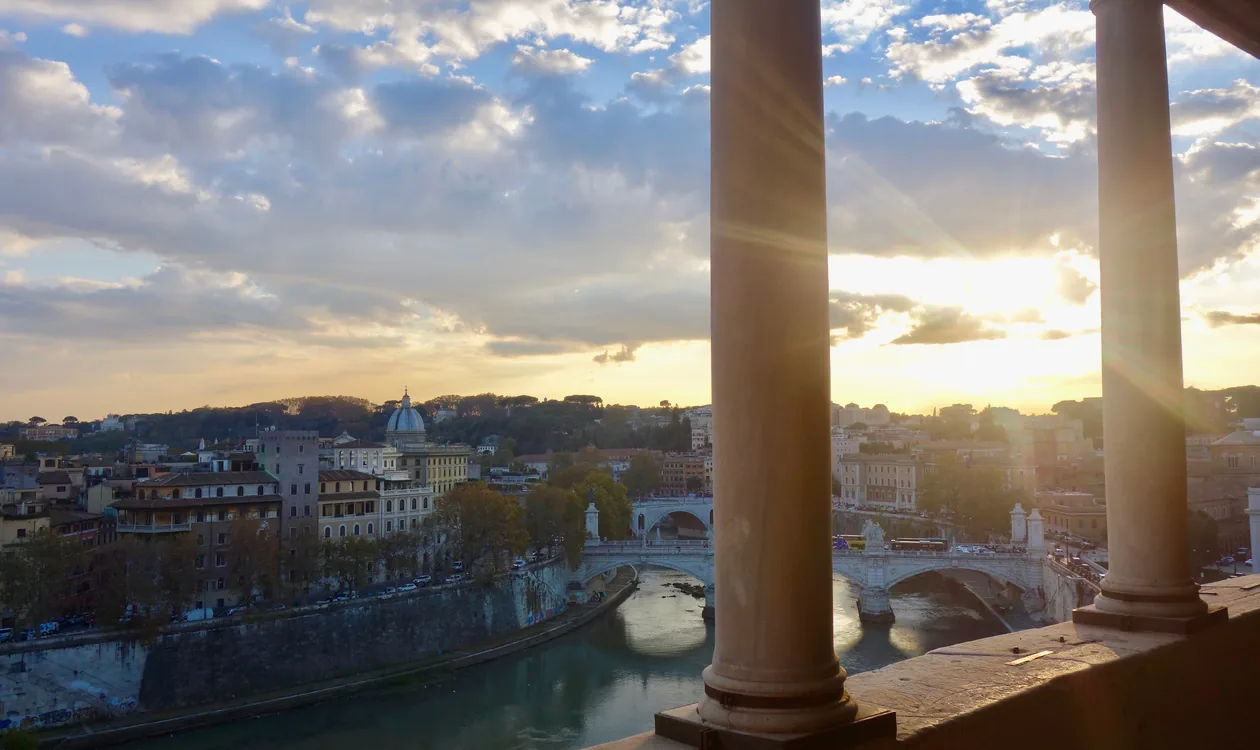
Most "where to stay in Rome" articles list every neighborhood as if they were interchangeable. They aren't. Trastevere at 9 PM has nothing in common with Trastevere at 9 AM. Prati works for the Vatican and almost nothing else. The Termini area is cheap because nobody actually wants to stay there.
Eight Rome neighborhoods, ranked by who they suit, with walkability, food scene, evening atmosphere, and hotel price range for each.
In 3 minutes
First-time visitor (3-4 days): Centro Storico. You'll walk to the Pantheon, Piazza Navona, and the Trevi Fountain without consulting a transit app.
Food traveler: Testaccio for lunch, Trastevere for dinner. Testaccio is where Romans actually eat. Trastevere is louder, but the evening atmosphere is real.
Vatican-focused trip: Prati. Quiet residential streets, metro at Ottaviano, 10-minute walk to the Vatican Museums entrance.
Couples and atmosphere: Monti. Closest residential neighborhood to the Colosseum, plus wine bars and small restaurants on cobblestone alleys.
Quiet base, families: Aventino. Upscale, leafy, very little tourist noise. Trade-off: thin restaurant selection on the hill itself.
Budget under €100/night: Esquilino around Termini, or San Lorenzo if you want nightlife and don't mind a 20-minute walk to the centre.
What makes Rome's neighborhoods different?
Rome has two overlapping systems. The official one is the 22 rioni, a medieval administrative grid that still defines the historic centre. Trastevere is Rione XIII, Monti is Rione I, Esquilino is Rione XV. Then there are the modern quartieri and informal neighborhoods that Romans actually use: Prati, Testaccio, Garbatella, San Lorenzo. The two systems don't sync, but they often overlap.
For a visitor, the practical map is simpler. Centro Storico sits inside a bend of the Tiber. Trastevere is across the river to the south. Prati is across to the north, near the Vatican. Monti, Esquilino, and San Lorenzo radiate east from the Forum. Testaccio and Aventino sit south of the centre along the river. Almost everything inside that perimeter is walkable in 30-45 minutes.
The result: where you sleep changes which sites are five minutes away and which take a bus. It does not change which sites you can reach in a morning.
The 8 best Rome neighborhoods, ranked
1. Centro Storico: the default for first-timers
The historic core between the Tiber, Via del Corso, and Corso Vittorio Emanuele II. Piazza Navona, the Pantheon, Campo de' Fiori, and the Trevi Fountain sit within a 15-minute walk of each other. Cobblestone alleys, ochre walls, a hotel on every block.
Vibe. Daytime crowds at the main piazzas, calmer side streets. Quieter than Trastevere at night, livelier than Prati.
Museums and sights nearby. The Pantheon is the headline (€7, mandatory booking). Three churches with free Caravaggios sit within a 10-minute radius: San Luigi dei Francesi, Santa Maria del Popolo, Sant'Agostino. The Borghese Gallery is a 25-minute walk north through the Spanish Steps.
Food. Variety at every price point, but tourist-pricing within 200 metres of any famous piazza. The better restaurants are on side streets: Via del Governo Vecchio, Via dei Coronari. A good sign: hand-written daily specials in Italian only, no photos on the menu.
Walkability. Best in Rome. You'll do everything on foot. No metro inside the perimeter, which is mostly fine until you want to get to the Vatican Museums (then it's a 25-minute walk or one bus).
Who it's for. First-time visitors, anyone with 2-3 days, people who hate transit logistics.
Hotel price range. €150-280 for a decent 3-star, €280-450 for boutique 4-stars, €500+ for luxury. B&Bs run €100-150 on side streets, especially January-February.
2. Trastevere: evenings and food
Across the Tiber from the historic centre. Narrow cobblestone alleys, ochre walls, laundry on balconies. The most photographed Rome neighborhood and, after sunset, the busiest.
Vibe. Quiet bakeries and locals running errands in the morning. Restaurants filling by 7:30 PM. Bars and aperitivo crowds until past midnight on the main streets. The contrast catches first-time visitors off-guard.
Museums and sights nearby. Basilica di Santa Maria in Trastevere (12th-century mosaics, free). Villa Farnesina with Raphael frescoes, often empty. Gianicolo Hill above the neighborhood has the best free panorama of Rome. Crossing back to the historic centre takes 10-15 minutes on foot.
Food. Some of the best traditional Roman restaurants in the city, and some of the worst tourist traps. Da Enzo al 29 for carbonara (expect a queue). Tonnarello as the easier backup. Otaleg for gelato. Walk three streets off the main piazzas to find the real ones.
Walkability. Excellent within the neighborhood. No metro stops. Tram 8 runs to Largo Argentina, buses serve the rest. The Vatican is a 20-minute walk along the river.
Who it's for. Couples on a romantic short trip, food-focused travelers, second-time Rome visitors who want a different feel.
Hotel price range. €130-240 for 3-stars, €250-400 for boutique. Prices spike May to October. Light sleepers: check whether your room faces a piazza with late-night bars before booking.
3. Monti: the local feel near the Colosseum
The closest residential neighborhood to the Colosseum, between Via Cavour and the Forum. Small cafés, wine bars, vintage shops, antique furniture stores along Via del Boschetto and Via dei Serpenti.
Vibe. Hipper than Centro Storico, quieter than Trastevere. Locals and long-stay travelers, plus daytime spillover from the Colosseum.
Museums and sights nearby. The Colosseum and Roman Forum are a 10-minute walk south. See our best time to visit the Colosseum guide for which slot to book from a Monti hotel. San Pietro in Vincoli (with Michelangelo's Moses, free) is on the edge of the neighborhood. Santa Maria Maggiore is 10 minutes east.
Food. Strong neighborhood for restaurants. La Taverna dei Monti for cacio e pepe, Pizzeria Alle Carrette for thin Roman pizza, Fatamorgana on Piazza degli Zingari for gelato with savoury flavours. Wine bars cluster on Via del Boschetto.
Walkability. Excellent. Cavour metro (Line B) cuts through the neighborhood, with direct service to Termini and the Colosseum. Centro Storico is 15 minutes on foot.
Who it's for. Travelers who want a residential feel without sacrificing walkability. Couples. Anyone whose top sight is the Colosseum.
Hotel price range. €130-220 for 3-stars, €250-350 for boutique 4-stars. Slightly cheaper than Centro Storico for similar quality, with plenty of small B&Bs.
4. Prati: Vatican access, residential calm
North of the Vatican walls, built on a 19th-century grid of wide streets and apartment blocks. Lawyers, professionals, and old Roman families have lived here for generations. Tree-lined boulevards, balconies with shutters, no cobblestones.
Vibe. Residential and orderly. The streets feel more like Milan or Paris than the rest of Rome. Calm after dark, with a strong local restaurant and shopping scene.
Museums and sights nearby. The Vatican Museums and St. Peter's Basilica are 10-15 minutes south on foot. If you're wondering whether the Vatican is worth the trip from your hotel, see our is the Vatican Museums worth it review. Castel Sant'Angelo is 15 minutes east. Crossing to the historic centre takes 15-20 minutes on foot.
Food. Bonci Pizzarium on Via della Meloria for pizza al taglio (sold by weight, €3-5 a generous portion, considered by many Romans to be the best in the city). Dino e Toni for no-frills Roman trattoria. Via Cola di Rienzo is the main shopping street, with a daily market at Trionfale.
Walkability. Good for the Vatican, longer for everything else. Ottaviano and Cipro metro stops (Line A) connect to the historic centre in 10 minutes. Buses serve the rest.
Who it's for. Pilgrims, art visitors prioritising the Vatican, families who want quiet, anyone returning for a second trip and tired of the Centro Storico noise.
Hotel price range. €100-200 for 3-stars, €200-320 for 4-stars. One of the better value zones in Rome, since prices soften surprisingly fast once you're three streets back from the basilica.
5. Testaccio: the food quarter
The triangular neighborhood south of Aventine, built around what was once Rome's central slaughterhouse (now the contemporary art venue MACRO Testaccio). Working-class roots, family-run trattorias, and the city's best food market.
Vibe. Local. Romans live, shop, and eat here. Tourist density is the lowest of any neighborhood on this list, even at lunch. Quiet after 11 PM.
Museums and sights nearby. Centrale Montemartini, with ancient Roman sculptures displayed inside a decommissioned 1912 power plant, is 15 minutes south on foot and almost always empty. The Non-Catholic Cemetery (Keats and Shelley's graves, €2 donation) sits at the edge of the neighborhood. Aventine Hill rises directly above.
Food. The reason to stay here. Mercato di Testaccio (Mon-Sat 7 AM to 3:30 PM) has stalls serving full plates for €5-6. Mordi e Vai for porchetta and tripe sandwiches draws a daily queue. Pizzeria Da Remo for thin Roman pizza in the evening. Flavio al Velavevodetto for the four pasta classics. Trapizzino was invented here.
Walkability. Piramide metro (Line B) at the edge connects to Termini and the Colosseum in 5-10 minutes. The historic centre is a 25-minute walk or 10-minute tram. The neighborhood itself is flat and compact.
Who it's for. Food-focused travelers, second-time visitors, anyone who wants to skip the Vatican-Colosseum-Trevi loop and live in a real Rome neighborhood for a few days.
Hotel price range. €90-170 for 3-stars, €180-280 for boutique. Among the better-value central zones, with limited luxury options.
6. Aventino: peaceful, leafy, view
The hill above Circus Maximus. Embassies, monasteries, walled gardens, elegant private homes. Almost no commercial activity on the hill itself, which is precisely the point.
Vibe. Quiet. The quietest neighborhood on this list. Locals walk dogs at sunset. The Aventine Keyhole on the Priory of the Knights of Malta gate (line up and look through to see St. Peter's dome perfectly framed through a garden hedge tunnel) is the one tourist draw, and it's a 30-second visit.
Museums and sights nearby. Santa Sabina (5th-century basilica with carved wooden doors from 432 AD, free). The Orange Garden (Giardino degli Aranci) for a panoramic view of Rome with St. Peter's dome in the middle distance. Down the hill: Testaccio for restaurants, Circus Maximus for jogging, the Caracalla Baths.
Food. Thin on the hill itself. Walk down to Testaccio (10 minutes) or Trastevere (15 minutes) for dinner. A few cafés near the metro stop, that's it.
Walkability. The hill rises 30 metres above the river. Circo Massimo metro (Line B) at the base, otherwise expect a 15-minute walk into the historic centre with some incline.
Who it's for. Light sleepers, families with young children, returning visitors who want a calm base, anyone who finds Trastevere noise unbearable.
Hotel price range. €130-260 for the small number of hotels on the hill, including boutique conversions of historic buildings. Limited choice, book early in peak season.
7. Esquilino: budget central, with caveats
The largest rione in Rome, anchored by the Termini train station and Santa Maria Maggiore basilica. Mixed reputation: cheap hotels, multicultural restaurants (Rome's Chinatown is here), and pockets that feel rough at night.
Vibe. Variable street by street. The area immediately around Termini station is the part most visitors mean when they say "avoid Termini": bag pulling, scams targeting tired arrivals, a thin but real edge. Three streets in any direction, the neighborhood gets ordinary. Around Piazza Vittorio it becomes genuinely interesting: Rome's most diverse food market, halal butchers, Bangladeshi groceries.
Museums and sights nearby. Santa Maria Maggiore (5th-century mosaics, free). Palazzo Massimo alle Terme (one of Rome's best Roman-art collections, €13, almost always empty). Free museums Rome covers what's free here on first Sundays.
Food. The most multicultural food scene in Rome. Mercato Esquilino for ingredients from a dozen cuisines. Trimani for wine. Most of the restaurants directly serving the station are mediocre by design.
Walkability. Termini Metro is the city's transit hub: both metro lines, every regional bus, and the airport train cross here. You can be at the Vatican in 15 minutes by metro. Walking to the Colosseum takes 15 minutes, Centro Storico takes 20-25.
Who it's for. Budget travelers, anyone catching an early train or flight, day-trippers basing themselves for Naples or Florence visits.
Hotel price range. €60-130 for 3-stars, the lowest in central Rome. The trade-offs explain the price. Read recent reviews carefully and pick a street away from the station itself.
8. San Lorenzo: student energy and contemporary art
East of Termini, behind the Sapienza university. Bohemian, graffitied, loud at night, and the most concentrated zone of contemporary Italian art in Rome.
Vibe. Student. Bars stay open late, kebab shops stay open later. Politically engaged, slightly scruffy, alive. Not for everyone.
Museums and sights nearby. Pastificio Cerere (artist studios in a former pasta factory, free during openings). MLAC (university museum of contemporary art, free). Verano Cemetery (Rome's main 19th-century cemetery, atmospheric and quiet). The neighborhood itself has the highest concentration of small galleries in the city.
Food. Strong contemporary scene. Tram Tram for Pugliese cooking. Pommidoro (a 100-year-old trattoria where Pasolini used to eat) for the four Roman pasta classics. Said for chocolate. Wine bars cluster along Via dei Volsci.
Walkability. No metro inside the neighborhood, trams 3 and 19 serve it. Walking to the Colosseum takes 20 minutes, Termini 10. Less centrally located than the others on this list.
Who it's for. Younger travelers, people in their 20s and 30s who want nightlife, contemporary art visitors, anyone tired of tourist Rome.
Hotel price range. €70-140 for 3-stars, €120-200 for boutique. Cheaper than anywhere else on this list except Esquilino, with a much more interesting evening.
Which Rome neighborhood is best for first-timers?
Centro Storico, almost without exception. From a hotel here you reach the Pantheon, Piazza Navona, Campo de' Fiori, the Trevi Fountain, and the Spanish Steps without consulting a transit app. The Vatican is a 25-minute walk or one bus. The Colosseum is 20 minutes on foot. Restaurants on every block stay comfortably busy until 11 PM, so you'll eat well without planning and walk back without a taxi.
Trade-offs: noisier than the hill neighborhoods, higher prices, smaller rooms. Worth it for the first trip. Our 3-day Rome itinerary starts from a Centro Storico base.
Best neighborhood for foodies?
Two answers, depending on whether "food" means daytime or evening.
For traditional Roman cuisine at fair prices: Testaccio. The Mercato di Testaccio is open Mon-Sat from 7 AM. Lunch at an in-market stall (Mordi e Vai, Box 15, for porchetta and tripe sandwiches) costs €5-7. Tourist density is the lowest on this list, which keeps the kitchens honest.
For evening dining with atmosphere: Trastevere. The restaurant density is the highest in Rome. Da Enzo al 29 is the famous one (small, no reservations, 45-minute queue). Tonnarello, Da Lucia, and Roma Sparita are the easier alternatives with similar food.
For pizza al taglio: Prati, specifically Bonci Pizzarium on Via della Meloria. €3-5 for a generous portion. Considered by most Roman food writers to be the best in the city.
For booked experiences, see our best food tours in Rome 2026 and best wine bars in Rome 2026 guides.
Where to avoid in Rome?
The honest answer is short.
Termini station area at night. The two-block radius around the main train station has the highest concentration of scams and bag-pulling in central Rome. Not dangerous (Rome has very low violent crime), but genuinely unpleasant after dark. If you book here, walk three streets in any direction before stopping to read a menu, and take a taxi from a marked stand at night, not from someone calling out to you.
Restaurants directly on the main tourist piazzas. A behaviour to avoid, not a neighborhood. Any restaurant on Piazza Navona, on the corner of the Trevi Fountain, or directly facing the Spanish Steps marks up 40-60% for the view. Walk one block back and the same food costs half as much.
Trastevere, Monti, San Lorenzo, Pigneto, and Testaccio get described as "rough" by people who haven't been. They aren't. They're loud, alive, and pickpockets work crowded piazzas the way they do everywhere in Italy. Standard precautions apply.
Quick reference
- First-timer default
- Centro Storico (walkable to everything)
- Best for food
- Testaccio (lunch) or Trastevere (dinner)
- Best for the Vatican
- Prati (10-min walk, residential calm)
- Best near the Colosseum
- Monti (residential, 10-min walk)
- Quietest base
- Aventino (leafy, elevated, low traffic)
- Budget under €100/night
- Esquilino (Termini area, mixed reputation)
- Younger crowd, nightlife
- San Lorenzo (student energy, contemporary art)
- Area to plan around
- Termini station two-block radius after dark
Hotel prices are rough ranges for 2026 high season (April-October). January-February typically run 30-40% lower across all neighborhoods.
Last verified: May 2026
Frequently asked questions
What is the best neighborhood to stay in Rome?
For first-timers, Centro Storico (walkable to the Pantheon, Piazza Navona, and Trevi Fountain). For food and evening atmosphere, Trastevere. For Vatican access, Prati. For a local feel near the Colosseum, Monti. Avoid the Termini station area unless on a strict budget.
Where do locals live in Rome?
Most Romans live in residential districts outside the historic centre: Prati, Trieste, and Parioli on the upmarket end, Pigneto and San Lorenzo for a younger crowd, Testaccio for the traditional working-class core, Garbatella and Monteverde for quieter family living. The historic centre is mostly hotels, short-term rentals, and offices.
Is Trastevere safe at night?
Yes. Trastevere is the busiest evening neighborhood in Rome, full of restaurants and bars until past midnight, with plenty of pedestrians and well-lit main streets. Standard tourist precautions apply (pickpockets in crowded piazzas). Walking back to your hotel at 23:00 is normal.
What neighborhood is the Colosseum in?
The Colosseum sits at the edge of two neighborhoods: Monti to the north (residential and trendy) and Celio to the south (quieter, more parkland). The metro stop is Colosseo on Line B. Both Monti and Centro Storico are within 15 minutes' walk.
Where should foodies stay in Rome?
Testaccio for traditional Roman cuisine (Mercato di Testaccio, Pizzeria Da Remo, classic carbonara). Trastevere for evening dining and atmosphere. Monti for wine bars and contemporary chefs. Centro Storico for variety, but pricier and more tourist-skewed.
Which Rome neighborhood is best for art lovers?
Centro Storico for free Caravaggios in three churches and proximity to the Borghese Gallery and Pantheon. Prati for the Vatican Museums. Monti for proximity to the Capitoline Museums and San Pietro in Vincoli (Michelangelo's Moses, free). San Lorenzo for the strongest contemporary gallery cluster. For a ranked shortlist of where to actually book, see our best art museums in Rome guide.
How many days do you need to choose a Rome neighborhood?
For 2-3 nights, Centro Storico (you'll do everything on foot and not need to optimise). For 4-7 nights, picking Monti, Prati, or Trastevere gives you more local texture without losing access. For 8+ nights, Testaccio or San Lorenzo become viable because you can afford the slight extra commute to sights.
Should I stay near a metro stop in Rome?
Not essential. Rome's historic centre has no metro inside it, since the two lines skirt the perimeter. If you're staying in Centro Storico or Trastevere, you'll walk most of the time anyway. Staying near Cavour (Monti), Ottaviano (Prati), Piramide (Testaccio), or Circo Massimo (Aventino) is useful but not required.
For the full route through Rome's main sights from any of these neighborhoods, our 3-day Rome itinerary covers what to book ahead and how to pace it. For a broader read on what Rome offers beyond museums and food, see things to do in Rome. Once you've picked a neighborhood, the best time to visit the Colosseum and our Vatican Museums tickets guide cover the two booking decisions that matter most.
- 3 Days in Rome: A Realistic Itinerary
- Best Art Museums in Rome for First-Time Visitors
- Colosseum Tickets 2026: Prices & How to Book
- Vatican Museums Tickets 2026
- Things to Do in Rome (2026 Guide)

Or skip the planning: I'll do it for you
Send me your dates. I’ll plan which museum goes on which day, around closures, free days and timed entries, and check every date against the official museum sites myself. In your inbox the same day.
 Planned by Adrià, who writes these guides