How Long Do You Need at the British Museum? (2026 Guide)
Plan about 2 to 3 hours for the highlights — Rosetta Stone, Parthenon Sculptures, Egyptian mummies — and a half-day if you want to go wing by wing. Entry is free. Here's how long to spend by visitor type, plus a 90-minute route and a half-day plan.
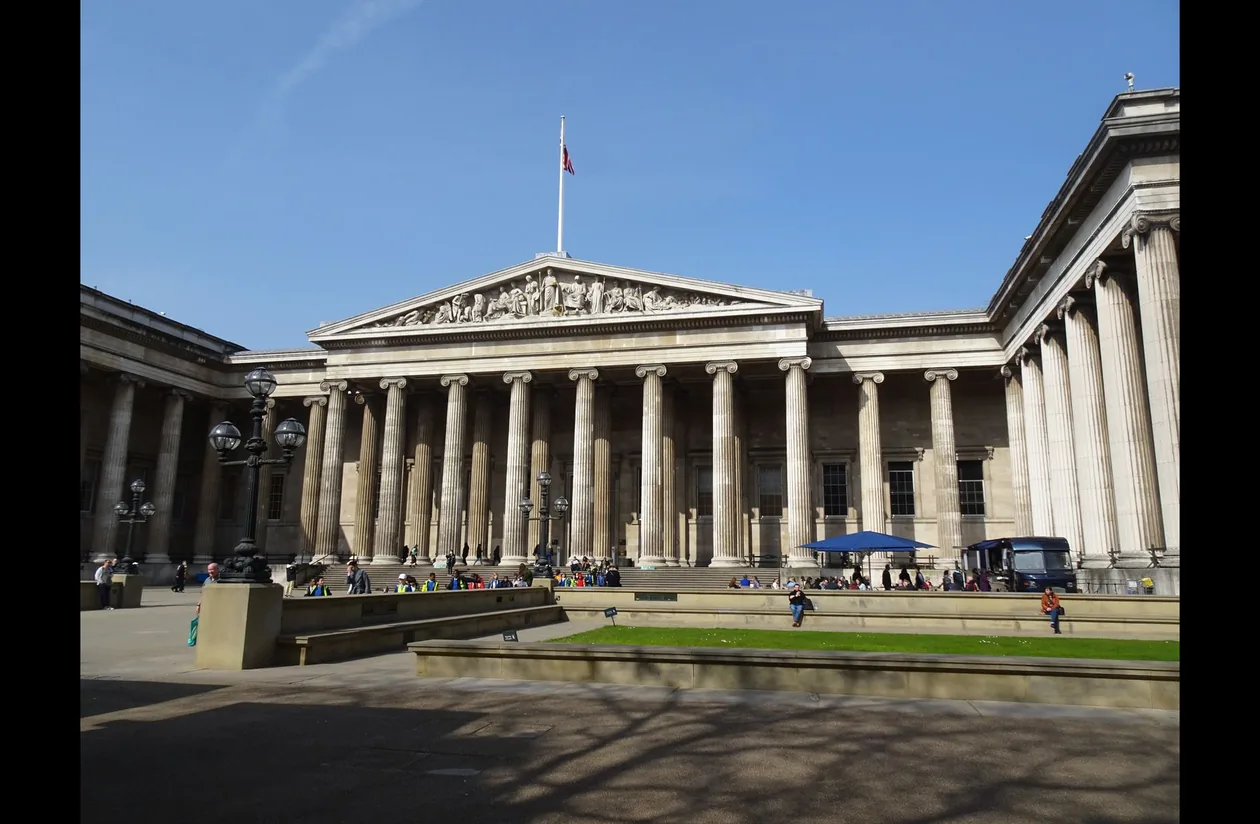
Plan on about 2 to 3 hours for the highlights — the Rosetta Stone, the Parthenon Sculptures, the Egyptian mummies — and a half-day (4 to 5 hours) if you want to go wing by wing. Entry is free, so there's no ticket to time your visit around and no sunk cost pushing you to stay longer than you want.
That last point changes how you should think about it. The British Museum holds roughly 8 million objects across two million years of human history, and only a fraction is on display at once. "Seeing it all" was never on the table. If the Bayeux Tapestry is on your list, our room-by-room Bayeux guide is built to open on your phone in the gallery. Because it's free, the smart move isn't to grind through every gallery in one visit — it's to pick a handful of rooms, see them properly, and come back another day if you're in London long enough.
This is a timing and routing guide. For the full overview — highlights, hours, and how to book the free ticket — see our British Museum London guide; for where it sits among the city's other free collections, see free museums in London.
How long to spend at the British Museum by visitor type
Express visit — about 90 minutes. The five headline objects and nothing else. From the Great Court you drop into Room 4 for the Rosetta Stone, walk through to the Parthenon Sculptures in Room 18, then head upstairs for the Egyptian mummies (Rooms 62–63), the Sutton Hoo helmet (Room 41), and the Lewis Chessmen (Room 40). Ninety focused minutes and you've seen the objects everyone comes for. This is the "one London day, the museum is one stop" plan.
Highlights visit — about 2 to 3 hours. The realistic sweet spot for a first visit, and the number most reviewers land on. Same five rooms, but at a pace that lets you read labels and detour into the Assyrian lion hunt reliefs (Room 10a) and the Enlightenment gallery on the way. You leave having taken it in rather than marched through it — and with a shortlist of what to come back for.
In-depth visit — half a day (4 to 5 hours). For people who came for the collection, not the checklist. The highlights plus a full wing — the Egyptian sculpture gallery downstairs, or the Asian galleries, or the Mesopotamian rooms with the Assyrian palace reliefs. Break it with a coffee in the Great Court; the galleries blur together after three hours, and this building has more of them than almost anywhere on earth.
Full day — 6+ hours. Only for serious enthusiasts, and even then it's a lot of standing on hard floors. The museum rewards two focused half-days far more than one open-to-close marathon — and since it's free, splitting it costs you nothing but a second trip to Bloomsbury.
The British Museum guide — room by room in 90 minutes
- The exact route through the Great Court, Egypt, and Sutton Hoo that hits the five must-sees without backtracking
- What to look for at the Rosetta Stone that most visitors walk straight past
- The one upstairs room almost everyone skips — and why it holds the collection's best surprise
If you only have X hours at the British Museum
If you have 90 minutes: Book the free timed entry, come in through the Great Court, and go straight to the five. Room 4 for the Rosetta Stone, Room 18 for the Parthenon Sculptures, then up the stairs to the Egyptian mummies (62–63), the Sutton Hoo helmet (41), and the Lewis Chessmen (40). Don't wander — the galleries fan out in every direction and it's easy to lose 20 minutes just deciding where to go. Ninety minutes is a real visit if you keep to the route.
If you have 2 to 3 hours: Same five rooms, more stopping. Add the Assyrian lion hunt reliefs in Room 10a — the carved dying lions are the room most people wish they'd known about — and the Enlightenment gallery, the museum's original 18th-century library room, which most visitors walk straight past. This is the complete first-visit version.
If you have a half-day: Do the highlights while the museum is calmest, then commit to one wing in depth rather than skimming three. The Egyptian sculpture gallery on the ground floor (Room 4 and beyond) or the Asian galleries reward an unhurried hour. Break it with a coffee under the Great Court's glass roof before you go back in.
Why "how long" is really "how many rooms"
At a ticketed museum, the queue and the entry fee set your rhythm. Here neither exists — entry is free and, with a booked slot, near-instant — so the only thing that determines your visit length is how many rooms you choose to enter. The galleries radiate from the Great Court across three floors, and there's no one-way route forcing you along. That freedom is the trap: without a plan, first-timers drift, double back, and burn an hour before they've properly looked at anything.
So decide before you arrive. Five rooms is a 90-minute to 2-hour visit; a whole wing on top of that is a half-day. The building doesn't change — your shortlist does. And because it's free, the honest answer to "is that enough time" is: enough for one visit. Come back for the rest.
Booking the visit for the time you have
There's nothing to pay and no ticket to time your day around — but book the free timed entry anyway. On weekends and school holidays the walk-up queue can run long, and a booked slot on britishmuseum.org sends you priority entry plus practical information before you arrive. Friday evenings until 8:30 PM (last entry 8:15) are the quietest hours of the week, and almost nobody uses them.
If you'd rather have the route decided for you, the British Museum tour with an archaeologist guide on GetYourGuide (from ~£30) walks the key rooms with expert context in about 90 minutes — the fastest way to understand what you're looking at, and a good use of an express visit if you want the objects explained rather than just seen.
The honest answer
If someone hands you a number with no context, ignore it. The right length depends on how many rooms you're willing to commit to: 90 minutes for the five must-sees, 2 to 3 hours to take them in and add a couple of detours, half a day to go deep on one wing. Because it's free, the failure mode isn't spending too little time — it's arriving with no plan and losing an hour drifting between galleries you didn't mean to enter. Pick your five rooms, book the free slot, and the museum gives you exactly the visit you planned for.
How long at the British Museum — at a glance
- Express visit
- ~90 min · the five headline rooms only
- Highlights visit
- ~2–3 hours · five rooms plus a couple of detours (most first-timers)
- In-depth visit
- half a day, 4–5 hours · highlights + one full wing
- Must-see five
- Rosetta Stone (R4) · Parthenon Sculptures (R18) · Egyptian mummies (R62–63) · Sutton Hoo helmet (R41) · Lewis Chessmen (R40)
- Entry
- Free (permanent collection) · special exhibitions ticketed separately
- Quietest time
- Friday evenings from 5 PM · weekday mornings beat weekends
- Opening hours
- Daily 10:00–17:00 · Fridays until 20:30 (last entry 20:15) · closed 24–26 December
- Book at
- britishmuseum.org · free timed entry · GetYourGuide · archaeologist-led tour · from ~£30
Hours can change — confirm on the official site before you go.
Last verified: July 2026
Frequently asked questions
Is the British Museum free?
Yes. Entry to the permanent collection is free — the Rosetta Stone, the Parthenon Sculptures, the Egyptian mummies, all of it. The museum suggests a £5 donation, but it's optional. What you should do is book a free timed ticket in advance on britishmuseum.org; it guarantees priority entry on busy days and gets you practical information before you go. Only the temporary special exhibitions are ticketed separately.
Can you see the British Museum in 2 hours?
Yes, comfortably, if you pick your rooms before you arrive. Two hours is enough for the five headline objects — the Rosetta Stone (Room 4), the Parthenon Sculptures (Room 18), the Egyptian mummies (Rooms 62–63), the Sutton Hoo helmet (Room 41), and the Lewis Chessmen (Room 40) — at a pace that lets you actually read a few labels. What you give up is the Asian galleries, the Mesopotamian rooms, and the Enlightenment gallery. The mistake most people make isn't spending too little time — it's wandering with no plan and burning an hour deciding where to go. Choose five rooms and the two hours are plenty.
What are the must-see objects at the British Museum?
The Rosetta Stone (Room 4), the Parthenon Sculptures (Room 18), the Egyptian mummies (Rooms 62–63), the Sutton Hoo helmet (Room 41), and the Lewis Chessmen (Room 40). Those five form the core of a 90-minute to 2-hour visit and cover the museum's range — Egypt, Greece, Anglo-Saxon Britain, and medieval Europe. Add the Assyrian lion hunt reliefs (Room 10a) if you have a third hour; it's the room most first-timers wish they'd known about.
Do you need to book the British Museum in advance?
The permanent collection is free and you can walk in, but booking a free timed ticket in advance on britishmuseum.org is strongly recommended, especially on weekends and during school holidays. It guarantees priority entry during busy periods and keeps you out of the walk-up queue, which can run long on Saturday afternoons. Special exhibitions are a separate, paid, timed ticket and those do sell out — book those as soon as your dates are set.
Free, colossal, and impeccably signposted — the British Museum is the rare case where the reality beats the reputation. For the full room-by-room overview, see the British Museum London guide; to place it among the city's other free collections, read free museums in London; or if a special exhibition is what's pulling you in, check the Bayeux Tapestry tickets guide; and for the rest of the afternoon, what to do near the British Museum.
Already subscribed? Open the room-by-room guide →