Calouste Gulbenkian Museum Lisbon: Reopens 18 July 2026
The Founder's Collection reopens on 18 July 2026 after a year and a half behind hoardings. The Rembrandts, the Lalique room and the Islamic art are back. The Museum ticket is €16 and covers the CAM Collection too. Which of the six tickets you need.
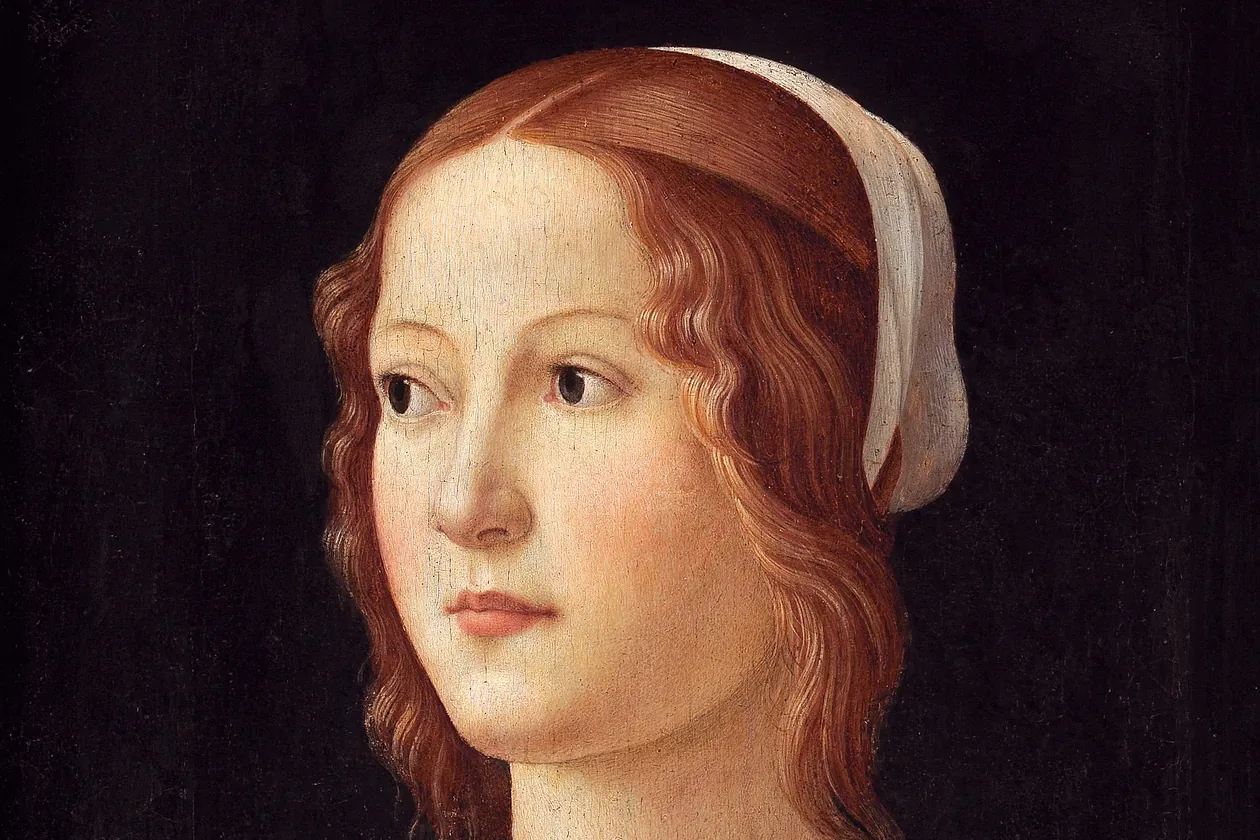
The Calouste Gulbenkian Museum reopens on 18 July 2026. The Founder's Collection, the galleries holding one of the finest private art collections ever assembled, closed in March 2025 for a deep renovation and returns timed to the Gulbenkian Foundation's 70th anniversary.
Here's the part nobody else will tell you: two days before the doors opened, the Foundation still hadn't published what a ticket costs. Everything below separates what the museum has confirmed from what the internet is guessing.
In 3 minutes
- The Founder's Collection reopens 18 July 2026, after a year and a half closed
- Museum €16 covers the Founder's Collection and the CAM Collection. Free Sundays from 14:00 and free under-18 entry are confirmed
- The renovation restored the original 1969 museum rather than reinventing it; one new room, one deliberately modernised room
What reopened, and what it costs
The Founder's Collection is back. Ancient Egypt through to French Impressionism, in galleries closed since March 2025. The work upgraded climate control, lighting, ventilation and security, and reopened the galleries onto the interior courtyards and gardens that the original architects designed them around.
The price, now published. Through the closure the Foundation's tickets page listed only closure-period options and no Founder's Collection ticket at all, which made the price the open question of the reopening. It is published now, and the table has six rows:
| Ticket | Price | What it covers |
|---|---|---|
| All Inclusive | €18 | Museum, CAM and Todd Webb in Portugal |
| Museum | €16 | Founder's Collection and the CAM Collection |
| CAM | €12 | CAM Collection and CAM temporary exhibitions |
| Gulbenkian Temporary Exhibitions | €10 | CAM temporary exhibitions and Todd Webb |
| CAM Temporary Exhibitions | €8 | The CAM's temporary shows only |
| Todd Webb in Portugal | €6 | That exhibition only |
The one you want is the €16 Museum ticket, which covers the Founder's Collection and throws in the CAM Collection. Note the trap lower down the table: the €8 ticket does not get you into the CAM's collection, only its temporary exhibitions. The CAM ticket is €12. The figure widely quoted online for the main museum, around €10, is the pre-closure combined ticket, not a confirmed 2026 price.
What is confirmed. Free entry on Sundays from 14:00 survives the reopening, as does free entry for under-18s, ICOM, AICA and APOM members, and carers accompanying visitors with disabilities. Discounts run 25% for under-30s, 20% with a Lisboa Card or Ciência Viva card, and 10% for over-65s. The Cartão Gulbenkian is free to join and deepens those to 50% for under-30s, 20% for over-65s and 10% for everyone between 30 and 64. It also opens all exhibitions free on Saturdays from 18:00 to 21:00 if you're under 30, which is the best value on the campus and almost nobody outside Lisbon knows about it.
The CAM and the gardens. The Foundation's modern art museum, redeveloped by Kengo Kuma and reopened in 2024, holds 20th-century Portuguese and international art (Paula Rego, Vieira da Silva, Almada Negreiros). Its 7.5-hectare park stays free, and is one of the calmest green spaces in Lisbon.
Where to book
Our take: Book direct, and check the price yourself before you go rather than trusting a number you read anywhere else, including here. The Foundation published its reopening timetable late and its prices later, which means resale sites are currently quoting figures they cannot possibly have confirmed. If you want the collection at its quietest, the first fortnight after a reopening is usually the worst time to try. The 70th-anniversary programme runs from 18 July and Lisbon knows about it.
Gulbenkian opening hours and tickets
The CAM is open Wednesday to Monday, 10:00–18:00, closed Tuesday, with last entry 30 minutes before closing. The gardens are open daily and free.
The Founder's Collection ran the same 10:00–18:00, closed-Tuesday pattern before it shut, and is expected to return to it. Given how late the Foundation published its reopening details, treat that as the likely pattern rather than a confirmed one, and check gulbenkian.pt before making a special trip.
The reopening week carries its own programme: guided tours from 18 July, a Return to Printmaking: 7 Works for 70 Years workshop on 18 and 19 July, The Slow Gaze: 20 Minutes with Art, and a The best of the Gulbenkian Museum tour running 20–24 July.
How to get to the Gulbenkian
The entrance is at Avenida de Berna 45A, near Praça de Espanha, about 15 minutes north of the centre and set inside the museum's own garden.
Take the metro to São Sebastião (blue and red lines) or Praça de Espanha (blue line), each a short walk. Buses 716, 726, 742, 746, and 756 stop nearby, and Entrecampos train station is a 15-minute walk. The hop-on-hop-off city tour lines also stop at the Foundation.
What the renovation actually changed
The brief was restoration, not reinvention. The original 1969 building came from three architects (Ruy Jervis d'Athouguia, Alberto Pessoa and Pedro Cid) working with the French museologist Georges-Henri Rivière and the Italian architect Franco Albini. The renovation went back to their archive plans and photographs and used the same materials: silk, fitted carpet, wood, bronze, glass, concrete. The green fitted carpet and silk wall coverings are back in the European galleries.
A new numismatics room. Built from a small cabinet that was previously hidden, now showing the coins thematically and in greater number. The quadrigatus, the coin that gave the Gulbenkian Foundation its logo, gets a case of its own.
The mosque lamps, separated again. Grouped in one large showcase for more than two decades, they return to individual cases with non-reflective glass. The blinds that blocked the courtyard view came out, replaced by a filter film that satisfies conservation without walling off the garden.
The wooden screen, restored. The slatted panels between the China and Japan Gallery and the European galleries had been replaced by a solid wall. The new metal-and-wood screen brings back the partial glimpse through to Rembrandt's Portrait of an Old Man and Pallas Athena, and Rubens's Portrait of Helena Fourment.
The Lalique room, the deliberate exception. The one space given a contemporary reading rather than a restoration. Paintings by Edward Burne-Jones and John Singer Sargent now sit alongside the Lalique pieces, the walls are repainted the original green, and each curved-glass case takes a theme from Lalique's materials: horn, glass, enamel, ivory.
Back from storage. The Japanese prints take a prominent place in the China and Japan Gallery. The gold boxes get a purpose-built case, the Renaissance medals a case referencing Albini's original 1969 design. Bronze sculptures return to the Nineteenth Century Gallery, and the Venetian parasol to the Renaissance Gallery.
What the Founder's Collection holds
Calouste Sarkis Gulbenkian, an Armenian oil magnate with an extraordinary eye, left more than 6,000 works spanning Antiquity to the early 20th century, displayed as he wanted them.
The René Lalique room. Around 145 pieces of Art Nouveau jewellery and glass, made for Gulbenkian by Lalique himself. Dragonfly women, enamel and opal, objects that look grown rather than made. There's nothing else like it in a public collection.
Ancient and Islamic art. Egyptian sculpture, Greco-Roman coins and glass, then one of the great holdings of Islamic art: Iznik ceramics, Persian carpets, illuminated Armenian manuscripts. The Assyrian low-relief has moved to a more central position in the Mesopotamia section, its alabaster surface cleaned back to something readable.
European painting. Rembrandt, Rubens, Frans Hals, Ghirlandaio, then Manet, Monet, Degas, Renoir, and Turner. Small in number, ruthless in quality. Gulbenkian bought few pictures and only the best.
French 18th-century decorative arts. Furniture, silver, and Houdon's marble Diana, from the collection's strand of pre-Revolution French craftsmanship.
For where the Gulbenkian now sits against the rest of the city, see our best art museums in Lisbon guide.
Frequently asked questions
Is the Calouste Gulbenkian Museum open in 2026?
Yes, from 18 July 2026. The Founder's Collection reopened that Saturday after a year and a half of renovation, timed to the Gulbenkian Foundation's 70th anniversary. The Rembrandts, the Lalique jewellery and the Egyptian and Islamic pieces are back in the galleries after coming out of storage. The CAM modern art centre on the same campus and the free gardens stayed open throughout the closure.
How much are Calouste Gulbenkian Museum tickets in 2026?
The Museum ticket is €16 and covers both the Founder's Collection and the CAM Collection. There are six options: All Inclusive €18 (Museum, CAM and Todd Webb), Museum €16, CAM €12, Gulbenkian Temporary Exhibitions €10, CAM Temporary Exhibitions €8, and Todd Webb in Portugal €6. Entry is free every Sunday from 14:00 and always free for under-18s.
What are the Gulbenkian opening hours?
The CAM runs Wednesday to Monday, 10:00–18:00, closed Tuesday. The Founder's Collection kept the same pattern before closing and is expected to do so again now it has reopened, but the Foundation published its reopening timetable late, so confirm on gulbenkian.pt before a special trip. The gardens are open daily.
What's new in the reopened Gulbenkian Museum?
The renovation restored the 1969 museum rather than reinventing it, using the original materials: silk, fitted carpet, wood, bronze, glass and concrete. The clearest changes are a new numismatics room built out of a previously hidden cabinet, the mosque lamps returned to individual cases after two decades grouped in one showcase, and a rethought René Lalique room with green walls and curved-glass cases themed by material. Works are back from storage too: the Japanese prints, the gold boxes, the Renaissance medals and the Venetian parasol.
How do you get to the Calouste Gulbenkian Museum?
Metro São Sebastião or Praça de Espanha, then a short walk to Avenida de Berna 45A. Buses 716, 726, 742, 746, and 756 stop nearby.
Eighteen months of hoardings, and the collection that made Lisbon a serious museum city is back on the map. If you're building a first trip around it, the best art museums in Lisbon guide sets the order, and the Oceanário de Lisboa covers the afternoon if you're travelling with kids.
Last verified: July 2026