What to See at the Picasso Museum
Most visitors walk in expecting Guernica. It's not here. What the Picasso Museum Barcelona actually has is more interesting — if you know where to look.

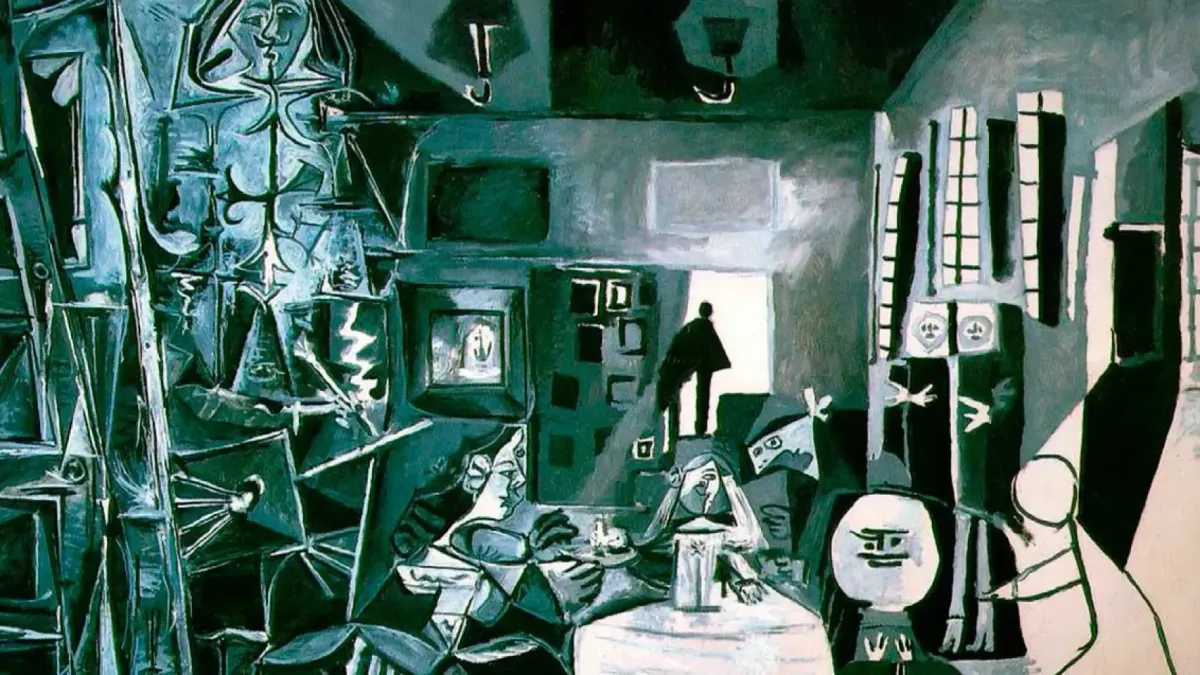
Most visitors walk into the Museu Picasso expecting Guernica or the celebrity hits. They're not here. This museum holds something different: the years when a teenager from Málaga became the most influential artist of the 20th century.
If you go in cold, you'll see a lot of dark paintings and wonder what the fuss is about. If you spend 3 minutes reading this, you'll know exactly where to look and what to skip.
The Museu Picasso in Barcelona holds over 4,000 works across five medieval palaces in El Born. The collection focuses on Picasso's formative years, Blue Period, and his 58-painting Las Meninas series. Most visitors spend 90 minutes to 2 hours. Tickets cost €12 online for the permanent collection.
In 3 minutes
- The only Picasso museum he helped create — his friend Sabartés proposed it, Picasso donated works directly, including all 58 Las Meninas paintings
- Five medieval palaces on Carrer Montcada — narrow rooms, uneven floors, intimate scale. Nothing like a modern gallery
- Not the Cubist hits. The story of how a disciplined student learned to break every rule because he understood them first
Context
This is the only Picasso museum he actually helped create. His friend Jaume Sabartés proposed it, and Picasso donated works directly. All 58 paintings of his Las Meninas series, for instance. That's rare, and you can feel it. The work here is personal, not curated for tourists.
You won't find Cubist masterpieces or the paintings that made him a household name. What you'll find is how a disciplined student learned to break every rule in painting because he understood them first. The early academic works are the foundation. The Blue Period is the emotional turn. The Las Meninas room is the payoff.
The museum sits in five medieval palaces on Carrer Montcada, in the heart of El Born. Narrow rooms, uneven floors, intimate scale. It feels nothing like a modern gallery, which suits the personal nature of what's on the walls.
What to look for
- Stand in front of Aunt Pepa (Rooms 1-3). Work Picasso made at 14. The precision is startling — more life in one face than most painters manage in a career. This is the foundation that made Cubism possible. He didn't reject realism because he couldn't do it.
- Watch the Blue Period shift the mood. He stops illustrating scenes and starts painting feelings. Rooftops of Barcelona — look at the brushstrokes. This is where he stopped caring about what things looked like and started painting what they felt like. Most people walk past it in 3 seconds.
- Track the shift from Madrid darkness to Barcelona light. Compare the moody academy paintings with the rooftop and beach scenes. Same artist, completely different energy. The city changed how he saw colour.
- Sit with the Las Meninas room. 58 variations of Velázquez's masterpiece. Don't rush. Watch how he deconstructs the same composition over and over until it becomes something entirely his.
- Don't skip the ceramics. Most guides ignore this room. The playfulness here shows a Picasso you won't see in the paintings — spontaneous, humorous, free.
Tips most sites won't tell you
- Go at 10am on a weekday. Multiple visitors confirm the museum gets noticeably crowded after noon. Tuesdays and Wednesdays are the quietest days. Free-entry Thursdays (4-7pm in winter) sound tempting but are packed.
- Buy online, use the Montcada 17 entrance. Online tickets are €1 cheaper and guarantee your time slot. Ticket holders enter at Montcada 17, which skips the main queue at the central entrance. On weekends, the walk-up queue can take 30+ minutes.
- Don't stress about room order. Multiple reviews mention that the room numbering doesn't always follow a logical sequence. Key anchors: Rooms 1-3 (early works) and the Las Meninas room at the end. Skip the middle if short on time.
- Most visitors spend 90 minutes to 2 hours. If you only have an hour, focus on Rooms 1-3 and the Las Meninas room. You'll still walk out understanding why this museum matters.
Common questions
How long do you need at the Picasso Museum Barcelona?
Most visitors spend 90 minutes to 2 hours, based on TripAdvisor reviews. If you focus on the key rooms — early works, Blue Period, and Las Meninas — you can see the highlights in about an hour. The museum has five floors across connected medieval palaces, so allow time for navigating between them.
Can you take photos in the Picasso Museum?
Yes. Photography is allowed in the permanent collection without flash. Tripods and selfie sticks are not permitted. The temporary exhibition may have different rules — check at the entrance. The Las Meninas room and the courtyard are the most photographed spots.
When is the best time to visit the Picasso Museum?
Weekday mornings at 10:00 AM, especially Tuesday or Wednesday. The museum gets crowded after noon and on weekends, when queues on Carrer Montcada can reach 30 minutes or more. Buy tickets online to skip the queue — they're also 1 euro cheaper.
Practical info
Hours and prices can change. Confirm on the official site before you go.
The Picasso Museum isn't about the famous paintings. It's about watching a 14-year-old turn into the most influential artist of the 20th century, room by room. That's a story you can only see here.
>